Beginner in Game Development, Which Engine Should I Use? Comparison of Unity vs Unreal vs Godot (Focusing on Free Engines) Choosing a Game Engine: Know This First: 5 Key Q&A Q1. What is a Game Engine? Is it necessary to use one? A. Think of a game engine as a set of development tools that bundles essential functions required for making games, similar to a car engine. It includes features like rendering graphics on-screen ( Rendering ), physics effects for characters colliding with walls or jumping ( Physics Engine ), and playing background music or sound effects ( Audio System ). While it's possible to create a game from scratch without an engine, it requires an immense amount of time and effort, which is why most developers today use game engines, especially beginners! Q2. I want to start game development; are there any good free engines available? A. Yes,...
10 Must-Try Foods When Traveling to Korea (Including Tips for Ordering Without Fail)
Get to Know Korean Food: 5 Key Q&A
Q1. It’s my first trip to Korea, what is the must-try representative dish?
If it's your first time, I definitely recommend 'Bibimbap'. The vibrant colors are visually pleasing, and the combination of various vegetables, nutty sesame oil, and savory gochujang allows you to experience the essence of harmony in Korean cuisine in one bowl. It's also easy to adjust the spiciness, making it perfect for beginners.
Q2. I can't handle spicy food, are there many dishes I can enjoy?
Absolutely! There are delicious BBQ dishes like 'Bulgogi' or 'Galbi' with a sweet and savory soy sauce base, as well as hearty 'Samgyetang' and tasty 'Gimbap' that are not spicy at all. You can also order kimchi stew or tteokbokki as "not spicy," so no worries!
Q3. What are the small side dishes served in restaurants? Do I have to eat them all?
Those are called 'banchan', a unique aspect of Korean dining culture. They are served as a standard before the main dish and are usually refillable for free. Among them, 'Kimchi' is considered the soul food of Koreans. You don’t have to eat them all, but they enhance the flavor of your main dish significantly.
Q4. Can vegetarians enjoy Korean food?
Yes, they can! However, a little caution is needed. Bibimbap and gimbap can be great vegetarian options if you ask for them without meat and eggs. Just be aware that some broth or vegetable dishes may contain seafood or meat stock, so it's a good idea to ask, "Does this contain meat or seafood?" before ordering.
Q5. Are there any must-try Korean street foods?
The king of street food is definitely 'Tteokbokki'. The combination of chewy rice cakes and a sweet and spicy sauce is unforgettable once you taste it. It's one of the most beloved comfort foods among Korean youth.
If you are planning a trip to Korea, the anticipation for delicious food is probably the highest, right? Imagine sitting at a street stall like the characters from K-dramas you’ve only seen on screen, enjoying tteokbokki, or savoring grilled meat wrapped in lettuce. Traveling is not just about seeing with your eyes, but also about tasting the culture of the country with your taste buds. To help you navigate through numerous menu options, I am excited to introduce 10 representative Korean dishes you must try, packed with flavors, textures, and tips for ordering without fail.
1. Bibimbap — The Aesthetics of Harmony in One Bowl (🌶/✅)
Bibimbap is the quintessential one-bowl dish representing Korea. It features carefully prepared colorful vegetables, meat, and a fried egg atop white rice. With the addition of nutty sesame oil and spicy gochujang, it's a dish you mix together and enjoy. Each bite brings a festival of textures from the crunchy vegetables, soft rice, and the umami flavor of gochujang that brings all the tastes together. Worried about it being too spicy? Just ask for "the gochujang on the side" to control the amount. For vegetarians, enjoying the fresh taste of vegetables by omitting meat and eggs is also a great option.
2. Bulgogi & Galbi — The Perfect Balance of Sweet and Savory, K-BBQ (🌶/⚠️)
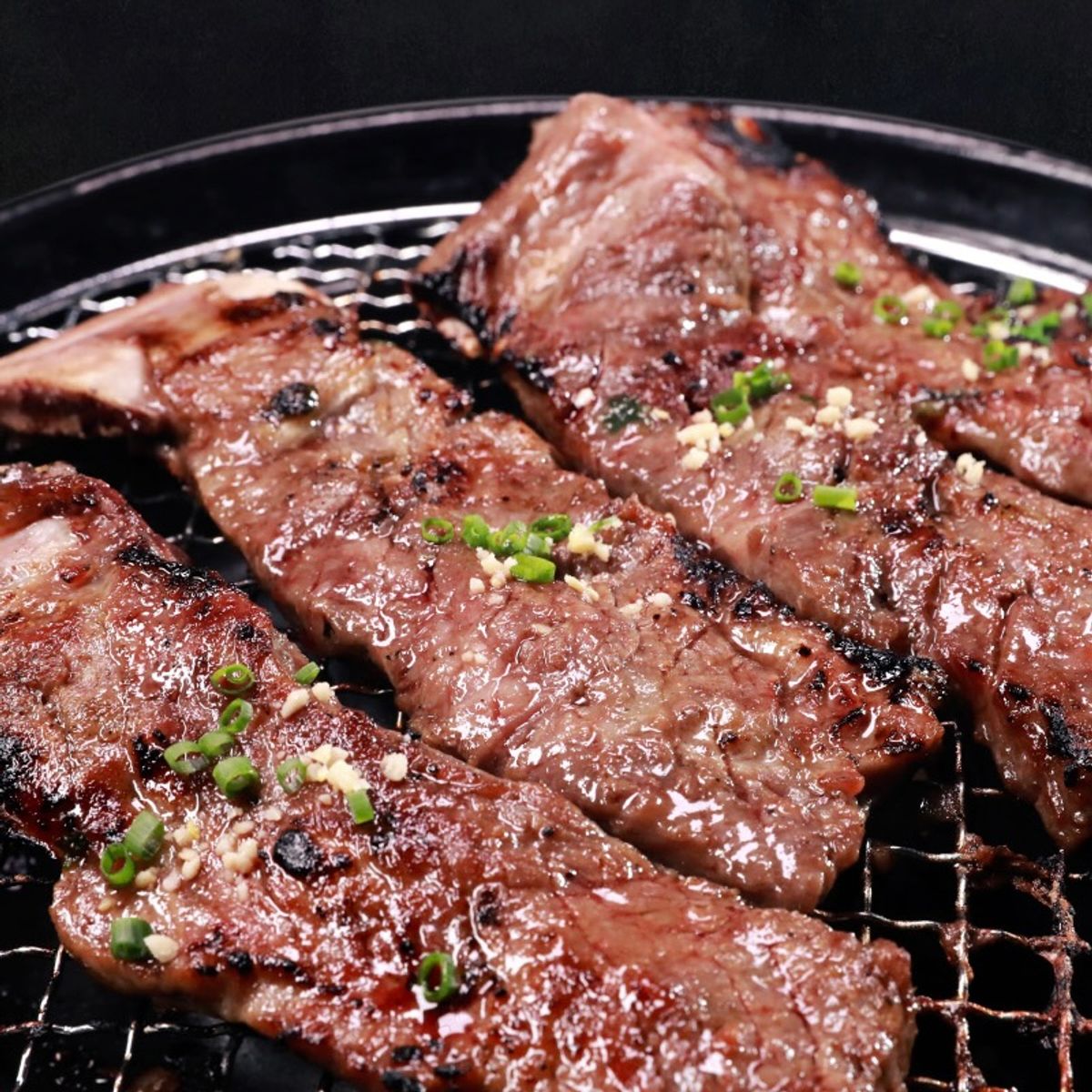
We can't skip delicious Korean BBQ, sizzling with sound. Bulgogi involves thinly sliced beef, while Galbi refers to thicker cuts marinated in a sweet and savory sauce made from soy sauce, pear, garlic, and grilled over charcoal or an iron plate. The tender meat infused with a gentle smoky flavor is perfect on its own, but for a true Korean experience, try it in a 'ssam'. Place a piece of meat, grilled garlic, and a dab of ssamjang on fresh lettuce or perilla leaves, and pop it in your mouth for a burst of flavor. If grilling meat seems challenging, choosing a restaurant where the staff grills it for you is a good tip.
Episode: Samgyetang Eases Michael's Fatigue After His Business Trip
After a long flight, Michael arrived in Korea with no appetite due to fatigue and jet lag. His Korean colleague took him to a 'Samgyetang' restaurant. The moment he took a bite of the hot, milky broth and tender chicken from the earthen pot, he felt warmth spreading throughout his body and a surge of energy. "This isn’t just chicken, it’s like a comforting tonic for both body and mind." For Michael, Samgyetang became a comforting food that soothed him on his first day in Korea.
3. Kimchi — The Heart of the Korean Table (🌶🌶/✅)
Kimchi is the quintessential side dish found on every Korean table, truly the soul of Korean cuisine. It is made by fermenting napa cabbage or radish that has been salted and mixed with various seasonings like chili powder, garlic, and fermented seafood. Freshly made kimchi has a crunchy and refreshing salad-like quality, while well-fermented kimchi boasts deep umami flavors and a tangy taste. If you're sensitive to spice, start with 'Baekkimchi', which is made without chili powder for a refreshing and clean taste.
4. Tteokbokki — The Icon of Street Food (🌶🌶🌶/⚠️)
As you walk through the streets of Korea, you'll easily spot stalls selling food coated in an orange sauce. That’s Tteokbokki. This dish features chewy rice cakes simmered in a sweet and spicy gochujang sauce along with fish cakes and green onions. Once you take a bite, the addictive flavor makes it hard to stop, and it’s a popular snack and comfort food for Korean students. Nowadays, creamy 'Rose Tteokbokki' and soy sauce-flavored 'Gungjung Tteokbokki' are also gaining popularity, so if you're worried about the spiciness, choosing one of these options is a great idea.
Episode: Sophia’s Spicy Challenge as an Exchange Student
Sophia, an exchange student from France, couldn't handle spicy food at all. However, her Korean friends took her to a snack bar, assuring her that 'Cheese Tteokbokki' would be fine. After taking a bite of the tteokbokki, where the creamy cheese gently enveloped the spiciness, Sophia's eyes widened. "This isn’t just spicy; it’s deliciously spicy!" Since that day, Sophia confidently ventured into trying other spicy Korean dishes, starting with tteokbokki.
Gimbap, naengmyeon, stews, and more—Korean flavors are far from over! Let’s continue exploring the unique charm of each dish.
We’ll keep introducing the remaining six dishes.
Naengmyeon (🌶/✅): A cold noodle dish enjoyed in the hot summer, served in icy broth. The two main types are 'Pyeongyang Naengmyeon' with a light meat broth and 'Hamheung Naengmyeon' mixed with spicy seasoning.
Gimbap (🌶/✅): A Korean-style roll made by rolling rice and various ingredients in seaweed. It's a must-have food for picnics, characterized by the aroma of sesame oil.
Samgyetang (🌶/⚠️): A nourishing dish made by boiling a young chicken stuffed with glutinous rice, ginseng, and jujubes. It's especially popular in the hot summer as a way to combat heat.
Kimchi Stew/Sundubu Stew (🌶🌶/⚠️): These are beloved stews that are rice thieves for Koreans. Kimchi stew made with well-fermented kimchi and sundubu stew with soft tofu will make you finish a bowl of hot rice in no time.
Seafood Pancake (🌶/✅): A crispy pancake made with plenty of seafood and green onions. On rainy days, Koreans have a habit of seeking out pancakes with makgeolli.
Hotteok (🌶/✅): In the cold winter, hotteok steaming on the street is an irresistible temptation. The chewy dough is filled with sweet brown sugar and crunchy nuts.
Additional Tips for Travelers (FAQ)
Q. I have allergies; what should I be careful of when ordering?
Korean food often uses seafood (especially salted shrimp), nuts, eggs, sesame, and soybeans. If you have allergies, it’s safest to ask, "I have a [shrimp] allergy; does this dish contain it?" before ordering.
Q. Can I make requests like "less spicy"?
Yes, of course! Most restaurants will gladly accommodate requests like "Please make it less spicy" or "Please make it not spicy." Similarly, you can also ask for specific ingredients to be omitted, like "Please remove the cucumber."
Q. Is there a recommended course to try all these foods in one day?
Absolutely! For example, start with a refreshing 'Naengmyeon' for lunch, recharge with street 'Hotteok' in the afternoon, enjoy a hearty 'Korean BBQ' for dinner, and if you're not ready to go back to your accommodation, packing 'Tteokbokki' and 'Gimbap' for a late-night snack would make a perfect course.
Author Information: The content of this article summarizes the basic recipes and taste and texture characteristics of Korea's representative foods from a traveler's perspective. It includes information on spiciness levels, vegetarian options, and local ordering tips to make it easy for first-time visitors to Korea to use right away.



Comments
Post a Comment