Beginner in Game Development, Which Engine Should I Use? Comparison of Unity vs Unreal vs Godot (Focusing on Free Engines) Choosing a Game Engine: Know This First: 5 Key Q&A Q1. What is a Game Engine? Is it necessary to use one? A. Think of a game engine as a set of development tools that bundles essential functions required for making games, similar to a car engine. It includes features like rendering graphics on-screen ( Rendering ), physics effects for characters colliding with walls or jumping ( Physics Engine ), and playing background music or sound effects ( Audio System ). While it's possible to create a game from scratch without an engine, it requires an immense amount of time and effort, which is why most developers today use game engines, especially beginners! Q2. I want to start game development; are there any good free engines available? A. Yes,...
Everything About K-POP: From Its Origins to BTS and BLACKPINK
All About K-POP: From Its Origins to BTS and BLACKPINK
K-POP, Here Are 5 Key Q&As You Should Know
Q1. When did K-POP actually begin?
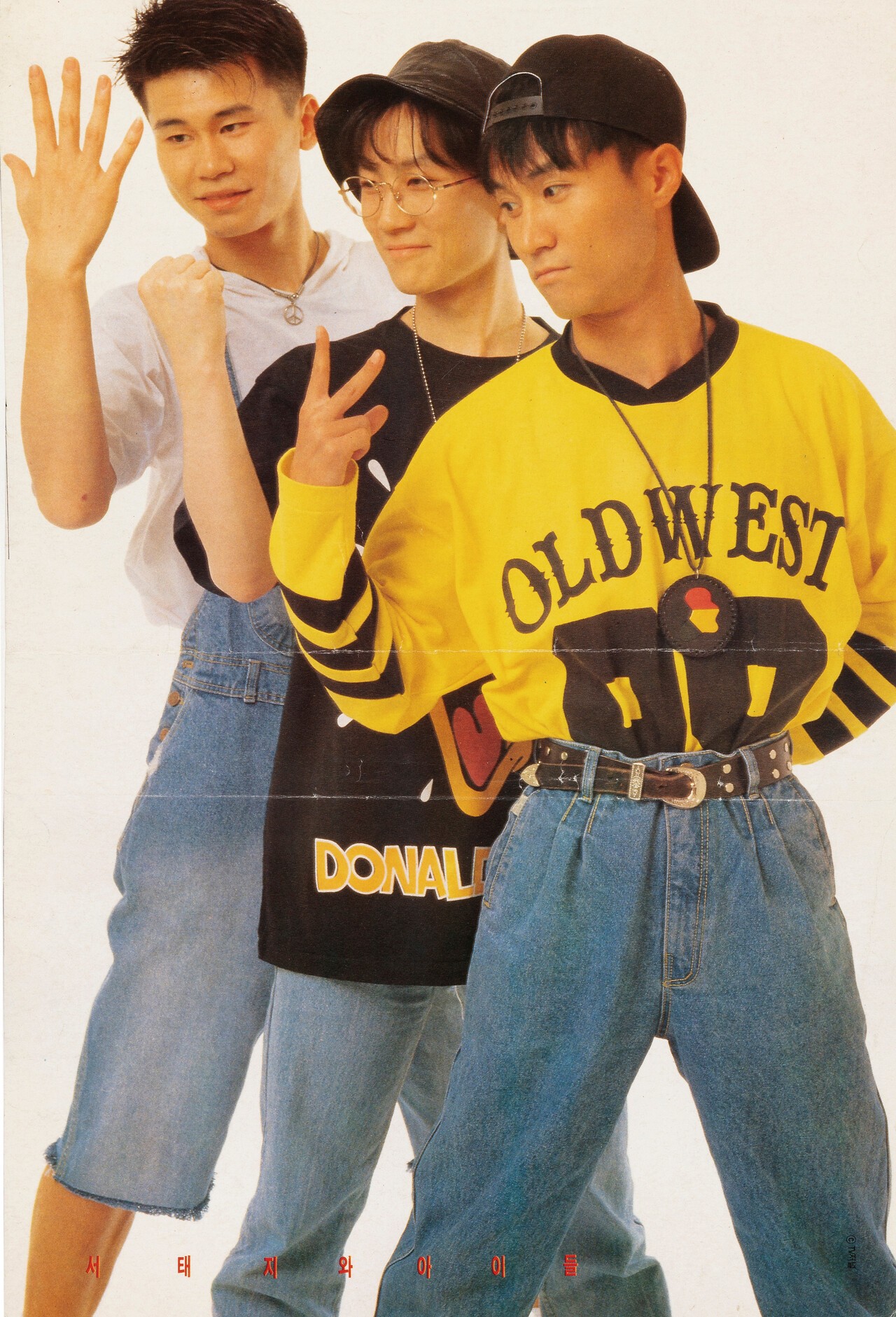
Many people point to 1992 as the start of modern K-POP, with the debut of Seo Taiji and Boys, who introduced new genres like hip-hop and new jack swing. Then, with the debut of H.O.T. in 1996, the framework for the 'idol system' we know today was established.
Q2. Why is 'idol training' so important in K-POP?
The planning agencies create a comprehensive system where they prepare everything from songs and choreography to stage concepts, training trainees for a long time. This has allowed for highly polished team performances, and the fan culture supporting them has grown alongside.
Q3. Was there a pivotal moment that spread K-POP globally?
There were several major turning points. In 2009, Wonder Girls became the first Korean act to enter the Billboard Hot 100 with 'Nobody', and in 2012, Psy's 'Gangnam Style' went viral on YouTube, marking K-POP's entry into the global consciousness.
Q4. Do we have grounds to say that K-POP is truly 'global music' now?
Absolutely. In 2020, BTS's 'Dynamite' became the first K-POP song to top the Billboard Hot 100, and the International Federation of the Phonographic Industry (IFPI) recognized them as 'Global Artist of the Year' for two consecutive years, solidifying their status in the industry.
Q5. What is the current status of K-POP groups?
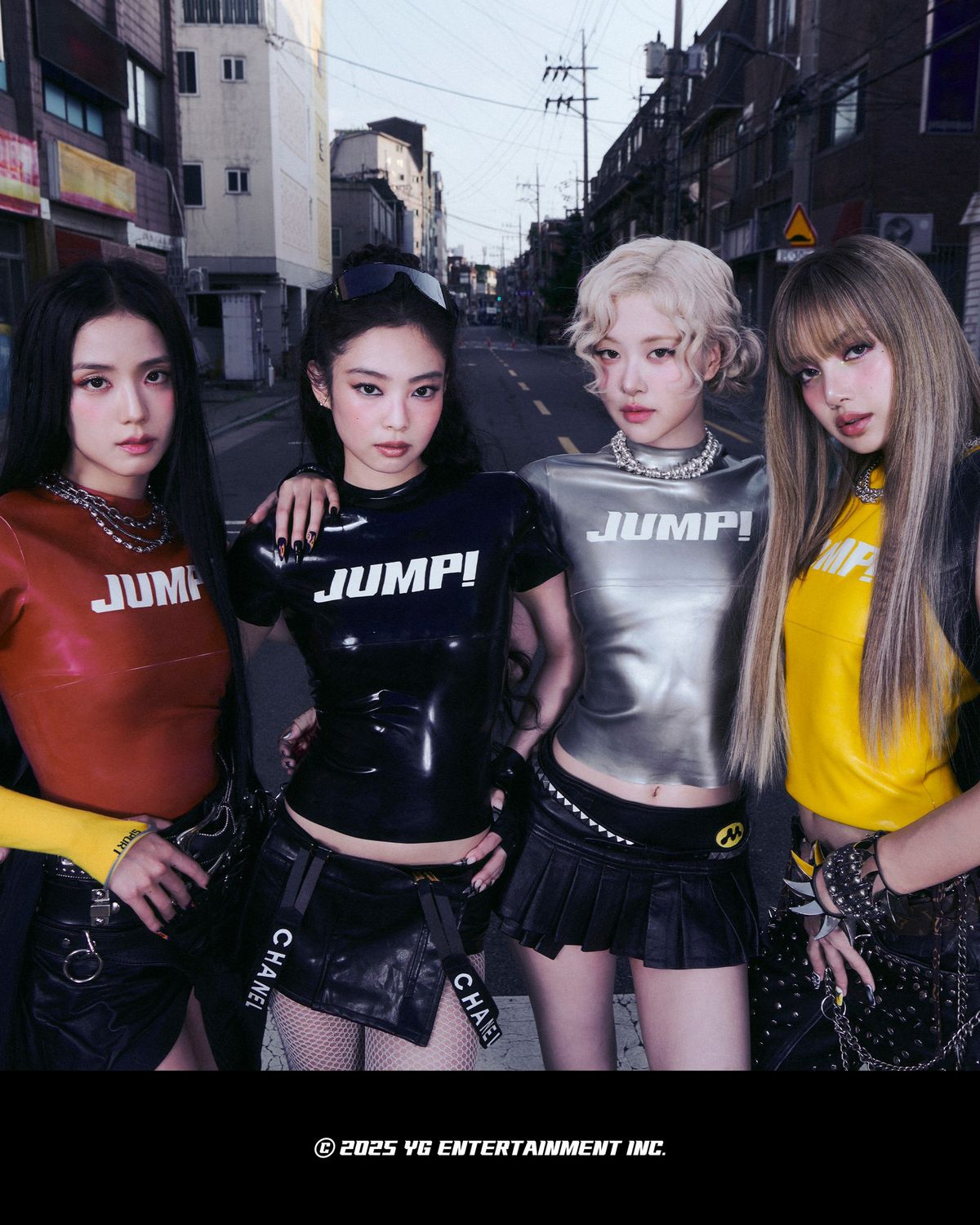
They are becoming the stars of the world's largest music festivals. Notably, in 2023, BLACKPINK made history by being the first K-POP group to headline the Coachella Festival.
At some point, it became normal for friends from the other side of the world to sing along to Korean songs and for Korean idol group names to be mentioned at American award shows. K-POP has transcended being just a music genre; it has become a massive cultural phenomenon and industry. Terms like 'synchronized dancing', 'idol trainee system', and 'fandom culture' have become symbols of K-POP. But what stories lie hidden behind this dazzling success? In this article, we will revisit the journey of K-POP and meet the artists you must know to understand this trend.
A Roadmap of K-POP from Its Birth to Present
The history of K-POP can be broadly divided into four stages. By following the key events of each era, you can gain a clear understanding of how K-POP has evolved.
1990s: The Birth of Revolution and System. In 1992, Seo Taiji and Boys shocked the music industry with hip-hop and dance music. Then in 1996, H.O.T. debuted, marking the beginning of the 'planned idol' model.
Early 2000s: Expansion into Asia. BoA and TVXQ dominated Japan's Oricon chart, proving the potential for K-POP's success abroad.
Late 2000s to Early 2010s: Opening the Door to Globalization. In 2009, Wonder Girls entered the U.S. Billboard chart for the first time, and in 2012, Psy shook the world with 'Gangnam Style' through YouTube.
Mid 2010s to Present: At the Center of the World. BTS set records like topping the Billboard charts, and BLACKPINK became stars of global festivals, establishing K-POP as a truly global mainstream culture. Newer generations like NewJeans are also making history.
Episode: College Student Kim Ha-neul's Introduction to K-POP
College student Kim Ha-neul's first memory of K-POP was Psy's 'Gangnam Style', which swept the world in 2012. "At that time, I just thought it was a fun song." However, a few years later, after watching stage videos of BTS on a friend's recommendation, she became completely hooked. "It felt like a comprehensive art form where music, dance, visuals, and storytelling came together." Now, starting with BTS, she explores various K-POP groups and has fully embraced the charm of K-POP.
So, who are the artists that created this incredible history? If you're just getting into K-POP, start with these artists.
12 Recommended Artists for K-POP Beginners
These artists have shaped K-POP's history and are leading its present. Following their music will help you naturally understand the flow of K-POP.
Artist
Why Are They Important?
Representative Song
Seo Taiji and Boys
The start of modern K-POP. Introduction of hip-hop and social messages.
I Know
H.O.T.
The textbook of first-generation idols. Established the planned idol system.
Candy
BoA
Pioneer of K-POP in the Japanese market. Dominated the Oricon chart for a long time.
No.1
TVXQ
Opened the era of Hallyu 2.0 with massive fandoms like Japan Dome tours.
Order-MIROTIC
Girls' Generation
'Gee' syndrome. Expanded the public influence of girl groups.
Gee
Wonder Girls
First K-POP group to enter the U.S. Billboard Hot 100.
Nobody
BIGBANG / 2NE1
Emphasized musical individuality and artist identity.
Lies / I Am the Best
EXO
Showcased fandom power with overwhelming album sales in the 2010s.
Growl
BTS
Reached the pinnacle of K-POP with Billboard Hot 100 #1 and Grammy nominations.
Dynamite
BLACKPINK
Stars of global music festivals like Coachella.
Pink Venom
TWICE
Dominant in global streaming markets in Japan and Southeast Asia.
CHEER UP
NewJeans
Icons creating new musical trends and records.
Super Shy
Episode: First-Generation Fan Lee Jeong-hoon's Reflections
Lee Jeong-hoon, a former fan of H.O.T. in the 90s, feels nostalgic about the current status of K-POP. "When I was young, buying CDs of my favorite artists and watching their broadcasts was everything. But now, seeing my daughter enjoy NewJeans and communicate with fans worldwide through YouTube and TikTok makes me realize how much the world has changed." Jeong-hoon finds joy in sharing K-POP stories with his daughter, bridging generations.
How to Enjoy K-POP Even More (FAQ)
Q. What kind of music genre is K-POP? It seems hard to define.
That's correct! K-POP is characterized by actively mixing popular sounds from around the world, such as hip-hop, R&B, EDM, and Latin pop, to create new music. That's why it's often referred to as 'hybrid pop'.
Q. Why is performance (dance) considered so important?
K-POP aims to be 'visual music' rather than just music to listen to. The members move in perfect synchronization, showcasing stable live performances, and the concept tells a story, presenting a complete 'work' to the audience.
Q. How important are YouTube and fan communities to the growth of K-POP?
They are incredibly important. You could say they are the driving force behind K-POP's growth. Music videos and dance challenges spread worldwide through YouTube, and fans gather in online communities to create secondary content and organize group purchases, promoting the growth of the fandom.
Author Information: The content of this article has been compiled based on reviews from music media such as Billboard and Pitchfork, reports from the International Federation of the Phonographic Industry (IFPI), and related academic materials, providing an objective overview of K-POP's history and key artists.



Comments
Post a Comment