Beginner in Game Development, Which Engine Should I Use? Comparison of Unity vs Unreal vs Godot (Focusing on Free Engines) Choosing a Game Engine: Know This First: 5 Key Q&A Q1. What is a Game Engine? Is it necessary to use one? A. Think of a game engine as a set of development tools that bundles essential functions required for making games, similar to a car engine. It includes features like rendering graphics on-screen ( Rendering ), physics effects for characters colliding with walls or jumping ( Physics Engine ), and playing background music or sound effects ( Audio System ). While it's possible to create a game from scratch without an engine, it requires an immense amount of time and effort, which is why most developers today use game engines, especially beginners! Q2. I want to start game development; are there any good free engines available? A. Yes,...
Can Smells Diagnose Diseases? A Comprehensive Overview of Olfactory Signals from Our Bodies
Understanding Smell Diagnosis: 5 Key Q&A
Q1. Can diseases really be diagnosed just by smell?
No, smells are important 'clues' but do not provide a definitive diagnosis on their own. Doctors consider various symptoms, including smells, and use necessary blood tests, imaging, and microbiological tests to arrive at a final diagnosis.
Q2. What are some diseases that can be inferred from smell?
There are several well-known examples. The sweet acetone smell of diabetic ketoacidosis, the musty and sweet odor that occurs when liver function is severely impaired, and the ammonia smell from renal failure patients are representative cases. Additionally, certain bacterial infections or rare genetic disorders can also emit unique odors.
Q3. Are machines coming that can smell and diagnose diseases?
Yes, such research is actively being conducted. The 'electronic nose (e-nose)' technology analyzes patterns of hundreds of volatile organic compounds (VOCs) found in human breath. It shows promise in early screening for lung cancer and other respiratory diseases, but standardization is still a work in progress.
Q4. Do dogs smell diseases better than humans?
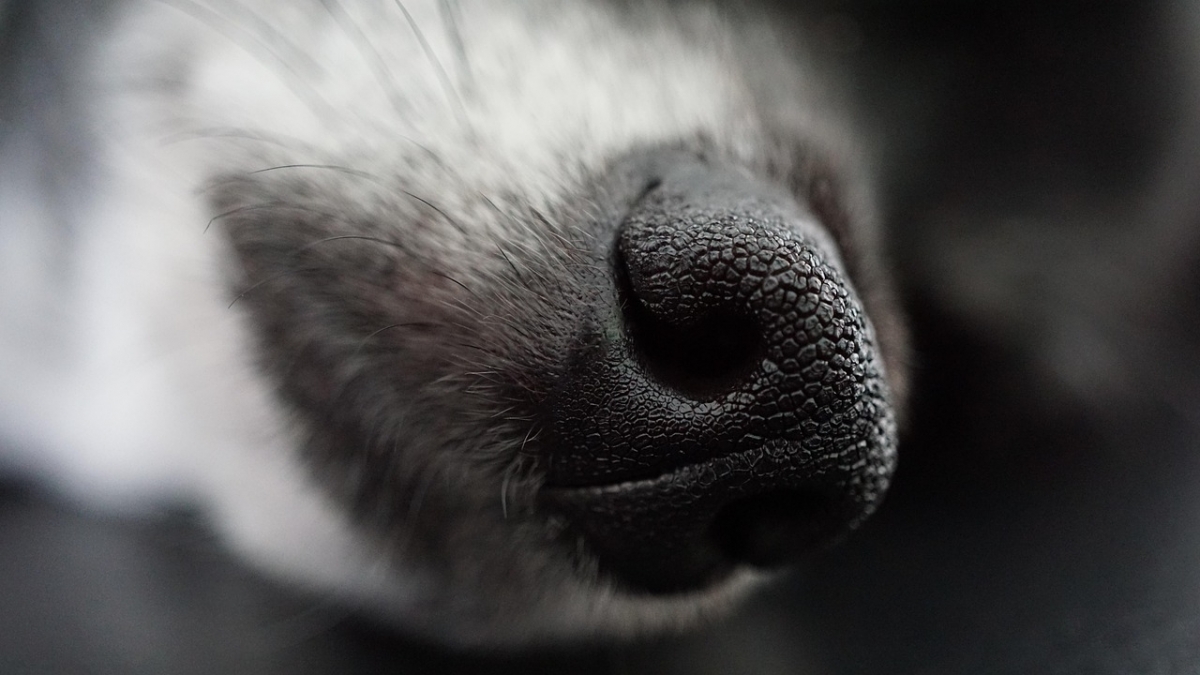
Yes, they can. Detection dogs, which have a sense of smell thousands of times more developed than humans, have shown remarkable abilities, such as distinguishing COVID-19 infected individuals by their sweat odor. However, they are still being researched as supplementary tools rather than replacements for diagnostic equipment in hospitals, particularly in specialized environments like airports where rapid screening of large crowds is needed.
Q5. What is the biggest risk when judging diseases by smell?
Subjectivity and overconfidence. Various factors, such as the food a person has eaten, the perfume they wear, or even the detergent smell of their clothing, can mix in. Additionally, relying solely on the notion that 'this disease has this smell' can lead to missing other important symptoms, so caution is always advised.
The earthy smell of fermented soybean paste when entering my grandmother's house as a child, or the smell of wet soil on a rainy day—smell is one of our most primal senses that evokes memories and emotions. But what if this smell goes beyond mere nostalgia and serves as a secret signal indicating our health status? In fact, doctors have long utilized the unique odors emanating from patients’ bodies or breath as important clues to infer diseases. Today, let’s delve into the mysterious world of 'olfactory diagnosis' to explore what smell signals our bodies send, and how we can interpret and utilize these signals.
Why Does Our Body Emit ‘Smell Signals’?
The reason our bodies emit specific smells is that the functioning of our internal chemical factory changes due to disease. Our bodies produce numerous 'volatile organic compounds (VOCs)' during metabolic processes, and these small molecules are expelled through breath, sweat, and urine.
Normally, the combination of these molecules remains stable, but when there are issues with liver or kidney function, infections from specific bacteria, or, rarely, genetic metabolic disorders, certain VOCs may be produced in abnormally high amounts or not processed properly, accumulating in the body. This abnormal combination of molecules is what we recognize as a 'pathological smell.' For example, if liver function is severely impaired, sulfur compounds like 'dimethyl sulfide' may not be detoxified properly and are expelled through breath, resulting in a musty and sweet odor.
10 Clinical Scenarios Where ‘Smell’ Provides Clues
Here are representative cases in actual clinical settings where doctors consider a patient's smell as an important clue.
1. Diabetic Ketoacidosis (DKA): A sweet fruity or acetone (nail polish remover) smell from breath indicates a dangerous signal that blood sugar is uncontrolled and the body is rapidly burning fat, leading to the accumulation of 'ketone bodies.' Immediate emergency treatment is necessary.
2. Liver Failure: If a musty, sweet earthy smell or a rotten egg smell is detected in breath or sweat, it may signal that the liver is not properly detoxifying toxins.
3. Chronic Kidney Failure: If the smell of urine or ammonia is detected in breath, it may indicate that the kidneys are not filtering waste properly, leading to the accumulation of 'uremia' in the body.
4. Bacterial Infection: Certain bacteria produce unique metabolites that emit distinctive odors. For instance, wounds infected with Pseudomonas may have a smell reminiscent of grape juice or corn chips.
5. Trimethylaminuria (TMAU): A rare genetic disorder also known as 'fish odor syndrome,' characterized by a strong fishy smell emanating from the body.
Episode: Experience of Nurse Park Sun-young in the Emergency Room
Nurse Park Sun-young, who works in the emergency room, did not miss the subtle fruity smell coming from a young patient who was brought in unconscious. "It was difficult to identify the cause just from blood pressure or pulse, but when I noticed the acetone smell in the breath, the thought of 'Could it be DKA?' suddenly struck me." She immediately suggested a blood sugar test, and the patient was confirmed to be in a state of diabetic ketoacidosis with unmeasurable hyperglycemia, allowing for rapid treatment. "It was a moment when I realized how important a 'smell' can be as a clue in actual practice, something I had only read about in textbooks."
Limitations and Misunderstandings of Smell Diagnosis
While smell can serve as a powerful clue, there are clear limitations and risks involved. The biggest issues are 'subjectivity' and 'environmental interference'. The smell of coffee someone just drank, garlic bread eaten in the morning, or the scent of perfumes or detergents they use can all mix and cloud judgment.
Additionally, many legendary stories claiming that 'this disease has this smell' often lack scientific backing. For example, there is a story that C. difficile colitis patients emit a 'horse smell', but actual studies have shown that the likelihood of doctors or nurses identifying this disease based solely on smell is very low. Smell should only be considered a hint suggesting 'possibility'; a definitive diagnosis must always be made through objective testing.
In-Depth Exploration 1: The Emergence of Electronic Noses and Detection Dogs in Future Diagnosis
To overcome the subjective limitations of the human nose, scientists are developing new 'olfactory' technologies, namely 'electronic noses (e-nose)' and 'medical detection dogs'.
Electronic Nose is a device that analyzes patterns of hundreds of volatile organic compounds (VOCs) contained in human breath using an array of gas sensors. Like fingerprints, unique VOC patterns emerge in the breath of individuals with certain diseases, and AI algorithms learn these patterns to early screen for lung cancer and other respiratory diseases. Although it is still in the research phase, there may come a day when simply blowing into a device will allow for easy cancer screening.
Medical Detection Dogs also show remarkable capabilities. Dogs, with a sense of smell thousands to millions of times more acute than humans, can be trained to distinguish the smells of cancer patients' urine or COVID-19 infected individuals' sweat with high accuracy, as demonstrated in various studies. Although they cannot yet replace hospital diagnostic equipment, they show potential as supplementary tools for quickly and non-invasively screening for suspected infectious disease cases in airports or large events.
In-Depth Exploration 2: The Story of Joy Milne, the Woman Who Smelled Parkinson's Disease
There is an incredible true story that cannot be overlooked in the history of smell diagnosis. It is the story of Joy Milne, a retired nurse from Scotland. She noticed a subtle 'musky' smell coming from her husband’s back about 10 years before he was diagnosed with Parkinson's disease.
Initially, she thought it was just a change in his sweat smell, but after attending a Parkinson's patient meeting following his diagnosis, she discovered that other patients also emitted the same smell, which confirmed her ability. Scientists were initially skeptical of her claims, but they were astonished when blind tests showed she could distinguish the smell of Parkinson's patients' T-shirts with nearly 100% accuracy.
This remarkable discovery led researchers to identify specific combinations of volatile organic compounds (VOCs) secreted from the skin of Parkinson's patients, and they are now developing early diagnostic methods that detect this smell. This emotional story highlights how one person's unique sense of smell has opened new pathways in modern medicine.
Episode: Early Detection of a Genetic Metabolic Disorder in Newborn Min-jun
Dr. Kim Min-a, a pediatrician working in the neonatal intensive care unit, noticed a faint sweet smell coming from the diaper of a newborn baby named Min-jun. It smelled like 'maple syrup.' She immediately suspected a rare genetic metabolic disorder called 'maple syrup urine disease (MSUD)' and requested an urgent metabolic screening test. The results confirmed that Min-jun had MSUD, allowing for special formula treatment to begin before brain damage occurred. The small smell signal from the baby’s body saved a child's life.
How to Safely Utilize Smells in Daily Life (FAQ)
Q. I think there's a strange smell coming from my body. What should I do?
The first thing to do is to check if external factors, such as perfume, food, or new detergents, are the cause. If there are no such factors and a unique smell persists for several days along with fatigue or other physical symptoms, it's best to consult a doctor.
Q. What smells are the most dangerous?
A sweet fruity/acetone smell from breath accompanied by vomiting or decreased consciousness (suspected diabetic ketoacidosis) and a musty and sweet smell with jaundice or severe swelling (suspected liver failure) are the most dangerous signals that require immediate attention in the emergency room.
Author Information: The content of this article has been compiled by cross-referencing clinical reviews on diabetic ketoacidosis, liver/kidney failure, microbiology, and rare metabolic disorders, along with the latest research trends on electronic noses and medical detection dogs, objectively summarizing the principles, possibilities, and limitations of how smells can serve as clues to diseases.




Comments
Post a Comment