Beginner in Game Development, Which Engine Should I Use? Comparison of Unity vs Unreal vs Godot (Focusing on Free Engines) Choosing a Game Engine: Know This First: 5 Key Q&A Q1. What is a Game Engine? Is it necessary to use one? A. Think of a game engine as a set of development tools that bundles essential functions required for making games, similar to a car engine. It includes features like rendering graphics on-screen ( Rendering ), physics effects for characters colliding with walls or jumping ( Physics Engine ), and playing background music or sound effects ( Audio System ). While it's possible to create a game from scratch without an engine, it requires an immense amount of time and effort, which is why most developers today use game engines, especially beginners! Q2. I want to start game development; are there any good free engines available? A. Yes,...
Everything About Diabetes: From Causes to Latest Treatments and Cure
Everything About Diabetes: From Causes to Latest Treatments and Possibility of Cure
What You Need to Know About Diabetes: 5 Key Q&A
Q1. What exactly is diabetes?
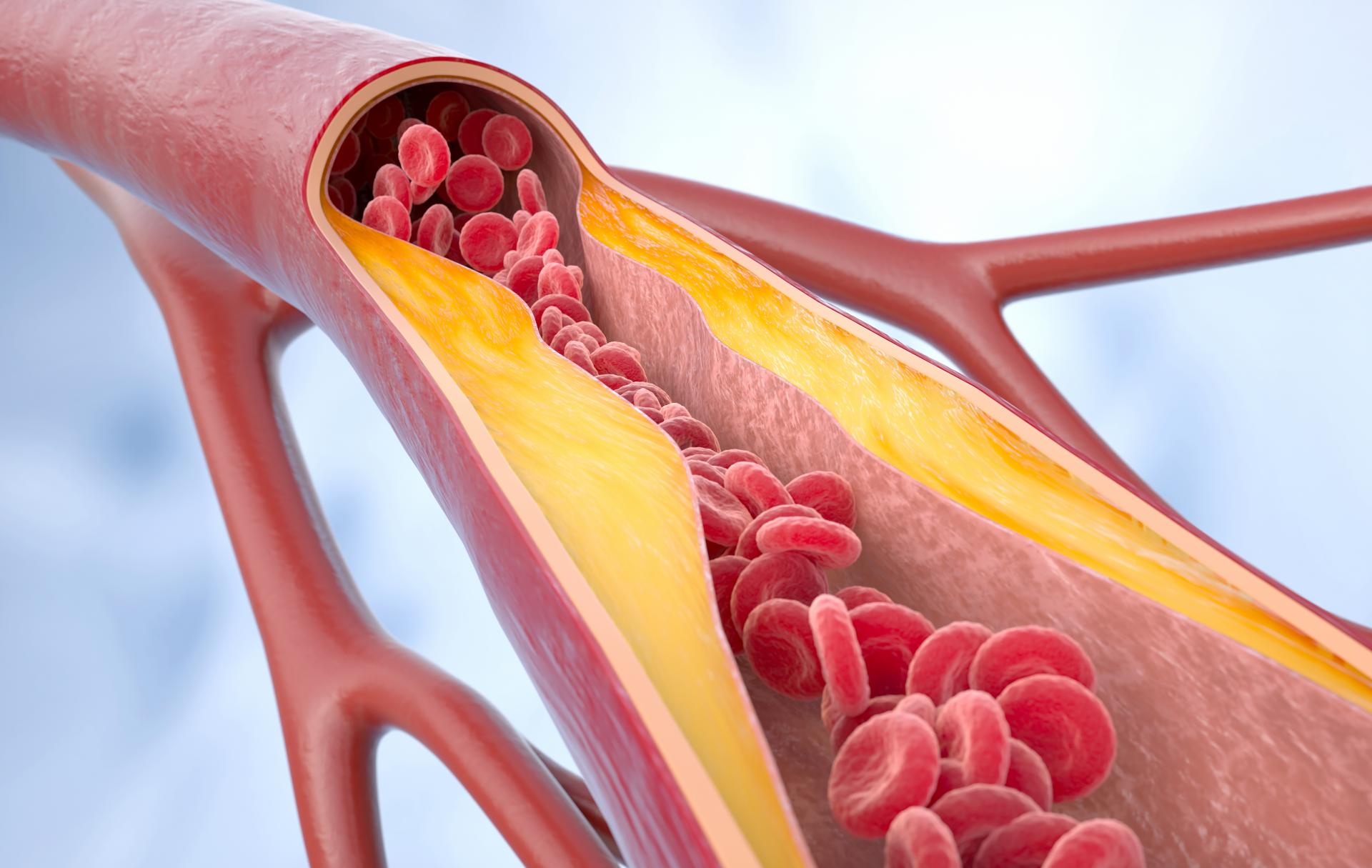
It’s a chronic condition where the hormone 'insulin', which lowers blood sugar levels, is either not produced properly (Type 1) or not functioning well (Type 2), leading to excess glucose in the blood. Persistent high blood sugar can damage blood vessels and cause various complications.
Q2. How many people are affected by diabetes?
It has become a very common disease worldwide. By 2025, it is estimated that 1 in 9 adults globally (about 11.1%) will be diabetic. The trend is increasing due to changes in diet and lifestyle.
Q3. What are the typical symptoms?
The 'three P's' symptoms are well known: Polyuria (frequent urination), Polydipsia (excessive thirst), and Polyphagia (increased hunger despite eating). Unexplained weight loss and severe fatigue can also occur. However, early-stage Type 2 diabetes often has no symptoms, making regular check-ups important.
Q4. How is diabetes diagnosed?
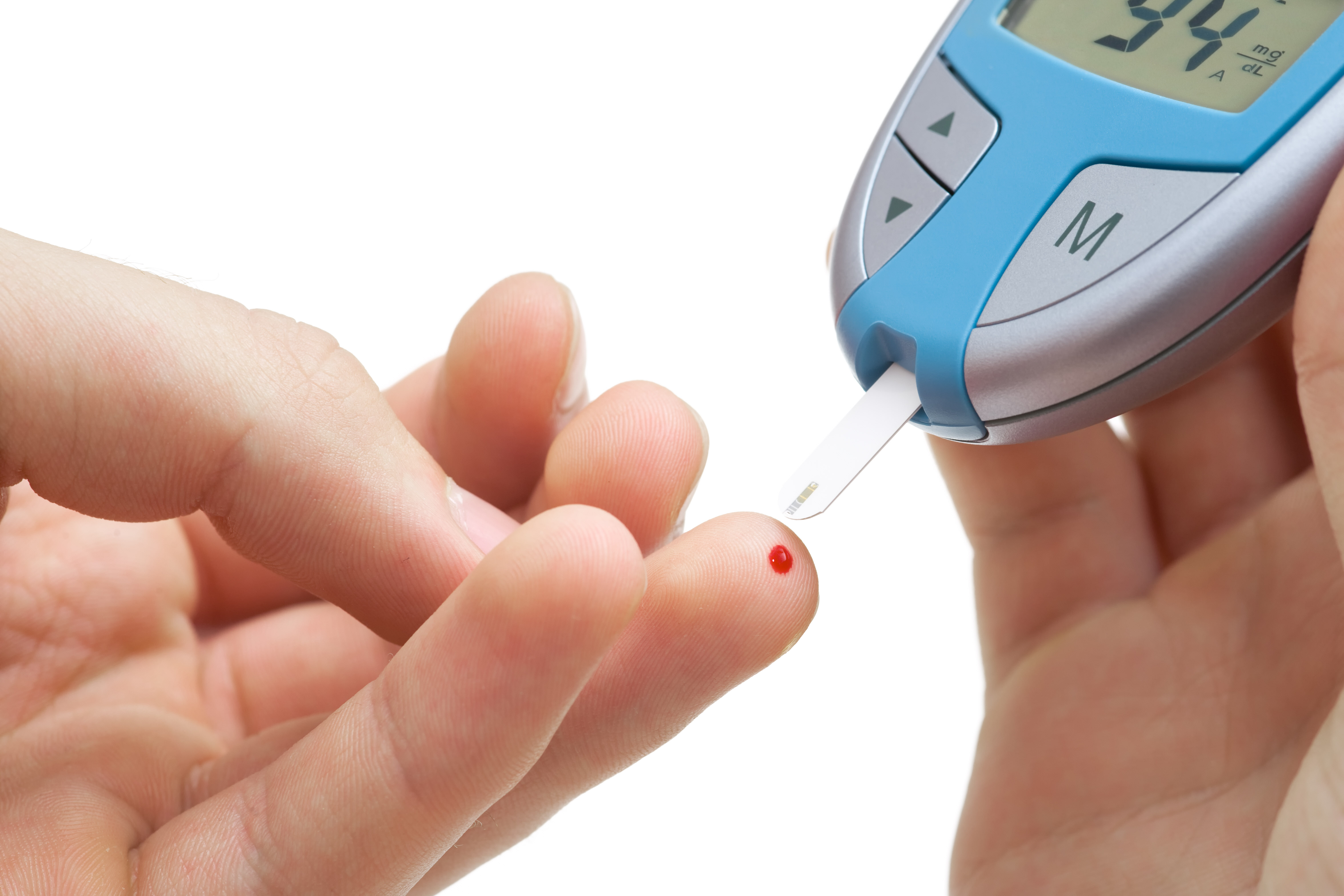
Diagnosis is made through blood tests. If the 'glycated hemoglobin (A1C)' level is 6.5% or higher, or if the 'fasting blood sugar' level is 126 mg/dL or higher after fasting for more than 8 hours, it indicates diabetes. Repeated confirmation is necessary rather than relying on a single test.
Q5. Can diabetes be completely cured?
Instead of 'cure', the term 'remission' is used. In the case of Type 2 diabetes, achieving and maintaining an A1C level below 6.5% for more than 3 months without medication through active weight loss is considered 'remission'. However, it can worsen again at any time, so it’s better understood as 'well-managed' rather than 'cured', requiring ongoing management.
Imagine our body as a huge city. The main energy source of this city is 'glucose', which is the fuel. And 'insulin' plays a crucial role as the delivery person, delivering this fuel to each home (cell). Diabetes describes a situation where this delivery system has a problem. The delivery person suddenly disappears (Type 1), or every household shuts their doors and ignores the delivery person (Type 2), creating an ironic situation where there is plenty of fuel in the city, but the homes that need energy are starving. Today, we will explore what this complex and difficult disease, diabetes, is, and how we can live healthily with it.
The Two Faces of Diabetes: Type 1 vs Type 2
Diabetes is mainly divided into two types. It's crucial to distinguish between them, as they have entirely different causes.
Type 1 Diabetes is an 'autoimmune disease' where the body's immune system mistakenly attacks and destroys the insulin-producing cells (beta cells) in the pancreas. Essentially, the delivery person of insulin has completely vanished. It often develops suddenly at a young age, requiring lifelong insulin injections from external sources.
Type 2 Diabetes accounts for over 90% of all diabetes cases and arises from a combination of lifestyle and genetic factors. Initially, insulin is produced normally, but the cells become resistant to it, starting with 'insulin resistance'. Eventually, the pancreas, worn out from the effort, reduces insulin production, worsening the condition. Therefore, improving lifestyle habits is crucial for treating Type 2 diabetes.
Episode: Overcoming the Prediabetes Stage of Office Worker Kim Cheol-soo in His 40s
Office worker Kim Cheol-soo in his 40s was diagnosed with 'prediabetes' during a health check-up. "I had no symptoms at all, but my A1C was 6.1%. The doctor warned me that if I didn’t manage it now, I could develop diabetes in a few years." Shocked, he began walking for 30 minutes every evening after dinner and stopped drinking his favorite soda. After six months, his A1C returned to a normal range of 5.6%. "Changing my lifestyle made a huge difference."
Treatment Strategies: From Lifestyle Changes to Latest Medications
Managing diabetes is like building a solid foundation of lifestyle changes and erecting a pillar of medication on top.
Step 1: Lifestyle Changes This is the starting and ending point of all diabetes treatment. Controlling total caloric intake through balanced meals and consistently exercising for more than 150 minutes a week is essential. Especially for Type 2 diabetes patients, losing just 5-10% of initial body weight can significantly improve blood sugar control.
Step 2: Medication When controlling blood sugar is difficult with lifestyle changes alone, medication is initiated. Starting with traditional first-line medication 'metformin', various classes of drugs are used in combination depending on the patient's condition (obesity, presence of heart/kidney diseases, etc.). Recently, medications like 'GLP-1 agonists' and 'SGLT2 inhibitors', which not only lower blood sugar but also aid in weight loss and protect the heart and kidneys, have gained significant attention.
Episode: College Student Lee Ji-young with Type 1 Diabetes
College student Lee Ji-young, diagnosed with Type 1 diabetes in childhood, now considers her insulin pump and continuous glucose monitor as part of her body. "At first, it was really tough to prick my finger every day to check blood sugar and get insulin injections. But now, thanks to technology, it’s much easier." With consistent management and a positive mindset, she enjoys a healthy college life just like her friends. "Diabetes is inconvenient, but it doesn't make me unhappy."
In-Depth Exploration 1: What is Insulin Resistance?
The term 'insulin resistance' frequently appears in discussions about Type 2 diabetes. What does it really mean? Earlier, we likened insulin to a 'fuel delivery person'. Insulin resistance refers to the state where, despite the delivery person ringing the doorbell, the house (cell) does not open the door. The body's muscle, liver, and fat cells become insensitive to the insulin's 'open the door' signal.
As a result, our pancreas sends out much more insulin than usual to get the door opened. This leads to a state called 'hyperinsulinemia', where excessive insulin is secreted. Initially, this effort can keep blood sugar levels somewhat stable, but over time, the resistance of the cells worsens, and eventually, the exhausted pancreas starts to give up on insulin production. Insulin resistance is a core component of 'metabolic syndrome', which also manifests with abdominal obesity, dyslipidemia, and hypertension.
In-Depth Exploration 2: Innovations in Latest Diabetes Medications, GLP-1 and SGLT2 Inhibitors
Two medications that are changing the paradigm of diabetes treatment are 'GLP-1 receptor agonists' and 'SGLT2 inhibitors'.
GLP-1 Agonists (such as Wegovy, Ozempic) mimic the action of the GLP-1 hormone that is secreted after meals. They promote insulin secretion from the pancreas and act on the brain to increase feelings of fullness, thus suppressing appetite. Proven to have blood sugar-lowering effects as well as strong weight loss and cardiovascular protective effects, they are also gaining attention as obesity treatments.
SGLT2 Inhibitors (such as Farxiga, Jardiance) work in a very unique way. They prevent the reabsorption of glucose from the kidneys back into the bloodstream, allowing excess glucose to be excreted in urine. This not only lowers blood sugar but also has excellent protective effects against heart failure and slows down kidney function decline, making them important medications to consider for diabetic patients with heart or kidney issues.
Daily Management Checklist (FAQ)
Q. What tests should I regularly undergo to prevent diabetes complications?
Since diabetes is also referred to as a 'vascular disease', it is crucial to thoroughly check the entire vascular system. At least once a year, regular tests for eye complications through fundoscopy, kidney complications through urine/blood tests, and foot examinations to prevent nerve complications and 'diabetic foot' are very important.
Q. What causes hypoglycemia, and how should I respond?
When using insulin injections or certain oral medications (like sulfonylureas), skipping meals or excessive physical activity can cause blood sugar to drop too low, leading to 'hypoglycemia'. If you experience symptoms like cold sweats, trembling hands, or a racing heart, you should immediately consume about 15g of fast-acting sugar, such as candy or juice.
Q. How should a diabetic patient plan their diet?
There is no definitive answer like 'eat this only'. The key is 'balance' and
Author Information: The content of this article has been compiled based on the latest guidelines from the World Health Organization (WHO), International Diabetes Federation (IDF), and American Diabetes Association (ADA), along with a review of key medical journals on pathophysiology, covering essential information on diabetes from its definition to causes, treatment, and management.



Comments
Post a Comment