Beginner in Game Development, Which Engine Should I Use? Comparison of Unity vs Unreal vs Godot (Focusing on Free Engines) Choosing a Game Engine: Know This First: 5 Key Q&A Q1. What is a Game Engine? Is it necessary to use one? A. Think of a game engine as a set of development tools that bundles essential functions required for making games, similar to a car engine. It includes features like rendering graphics on-screen ( Rendering ), physics effects for characters colliding with walls or jumping ( Physics Engine ), and playing background music or sound effects ( Audio System ). While it's possible to create a game from scratch without an engine, it requires an immense amount of time and effort, which is why most developers today use game engines, especially beginners! Q2. I want to start game development; are there any good free engines available? A. Yes,...
How Does Our Body Overcome Illness? Understanding the Immune System Through Characters
Immune System Basics: 5 Key Q&A
Q1. How does our body's immune system work?
It can be divided into two main stages. First, there's the rapid response team, known as 'innate immunity', which springs into action as soon as an intruder is detected. While they buy time, an elite unit called 'adaptive immunity' analyzes the enemy's information and creates customized weapons.
Q2. How do vaccines work?
Vaccines are a type of 'simulation training.' Instead of showing the real pathogen, they introduce a weakened or fragmented version (antigen) to the body, allowing our adaptive immune system to create 'memory cells' that record the battle. This way, when the real enemy attacks later, our response is much faster and stronger.
Q3. Why do allergies or autoimmune diseases occur?
Think of it as a 'malfunction' in the immune system. Allergies occur when our body overreacts to harmless external substances, like pollen, while autoimmune diseases happen when the body mistakenly attacks its own normal cells, similar to 'friendly fire' incidents.
Q4. What is the most important factor in boosting immunity?
Rather than a 'special secret,' it's crucial to stick to the basics. Getting 7-9 hours of quality sleep, a balanced diet rich in protein and vitamins, and consistent, appropriate exercise are the most reliable ways to keep our body's immune system strong.
Q5. What is the biggest difference between innate and adaptive immunity?
The main differences are 'speed' and 'precision'. Innate immunity acts as a rapid patrol that attacks anything that seems 'not one of us,' while adaptive immunity accurately analyzes the enemy's characteristics and produces highly precise weapons, like targeted missiles (antibodies) effective only against that enemy.
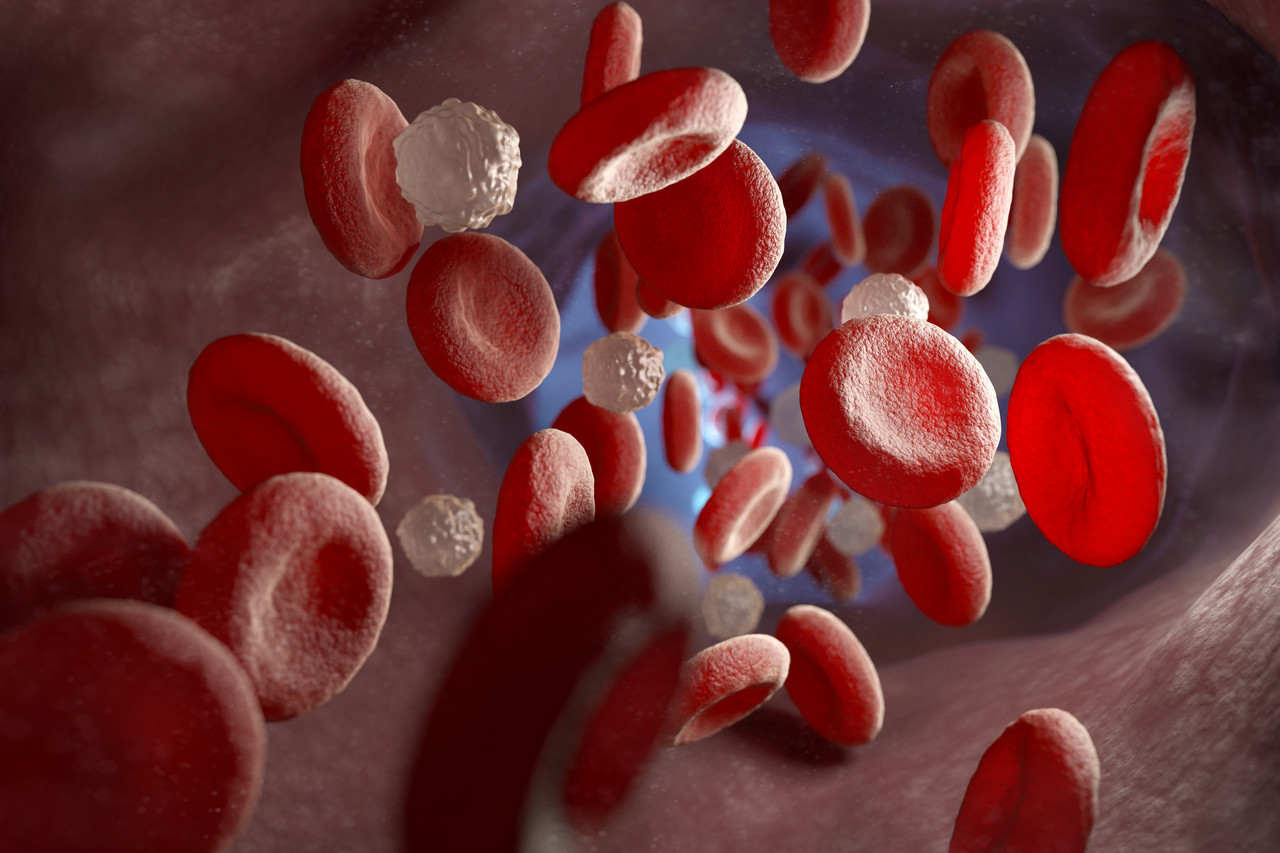
What happens in our body when we catch a cold? While we think we simply run a fever, cough, and recover after a few days, there’s a fierce battle happening behind the scenes with invisible guardians. Imagine our body as a vast city, equipped with a sophisticated and amazing defense system that protects itself from external invaders 24/7. Today, we will meet various characters that maintain this great 'immune city' and embark on a mysterious journey to see how they work together to overcome illness.
"Virus Invasion!": The Peaceful City and Its Sentinels
The first line of defense in our body city is the sturdy 'outer wall (skin and mucous membranes)'. This wall is not just any wall; it’s a high-tech defense system equipped with waterproof paints like acidic sweat and mucus, along with dust filters. However, no matter how strong the wall is, small gaps can form. The moment tiny invaders like viruses or bacteria breach this gap, an alarm goes off, and the patrol team springs into action.
The first to arrive on the scene is the passionate 'neutrophil firefighter', who throws themselves into action to stop the flames (inflammation) from spreading. Soon after, the 'macrophage, the cleaner and police' appears to engulf and break down the intruders, cleaning up the battlefield's debris. Simultaneously, an invisible trap called 'complement proteins' is deployed in the sky to puncture holes in the enemy or mark them with a sign saying, 'Here’s the enemy!' for other immune cells to identify. This entire process is part of our fast and reflexive defense system, known as 'innate immunity.'
"Command Center Activated!": Developing Customized Weapons
While the innate immune units buy time, a more sophisticated operation is being prepared on the battlefield. The 'dendritic cell, the intelligence officer' collects samples (antigens) of the intruder and rushes to the city's command center, the 'lymph nodes.' Upon receiving the report, the commander, 'T helper cell', immediately issues orders. The 'B cell weapon development lab' is instructed to "mass-produce customized missiles (antibodies) specifically for the enemy!" and the 'cytotoxic T-cell ninja squad' is told to "find and destroy the allied cells (infected cells) already taken over by the enemy!"
In response to the orders, the B cell lab analyzes the enemy samples day and night and creates precision-guided missiles in a Y shape, known as 'antibodies.' These antibodies spread through the blood to the battlefield, attaching to and neutralizing the enemy, making it easier for the macrophage cleaners to engulf them. At the same time, the ninja squad locates the infected cells that have become virus factories and precisely strikes to prevent further spread of the virus. This system, which creates precise and powerful weapons based on enemy information, is known as 'adaptive immunity.'
Episode: Ji-hoon Lee, the Office Worker with a Cold
Ji-hoon Lee, an office worker who caught a cold during the change of seasons, experienced fever and a sore throat for the first few days. During this time, his innate immune units, like neutrophils and macrophages, were engaged in a fierce first battle against the virus. After 3-4 days, the command center in his lymph nodes began to mass-produce antibodies specifically targeting the cold virus. As these antibody units were deployed to the battlefield, Ji-hoon started to feel his fever decrease and his symptoms improve.
In-depth Exploration 1: How Do Vaccines Train Our Body's Memory?
The most remarkable ability of adaptive immunity is its 'memory.' Once it fights and defeats an enemy, it does not forget that information; historians known as 'memory cells' keep records of the battles for a lifetime. Therefore, when the same enemy attacks again, it can immediately produce powerful weapons without complex analysis to suppress them quickly. The reason why we don’t catch measles or chickenpox again after having them once is due to this 'immune memory.'
Vaccines cleverly utilize this principle as the pinnacle of preventive medicine. Since fighting the real virus or bacteria is too dangerous, they instead show the body a 'fake enemy' that has had its toxicity removed or been fragmented. Our immune system conducts simulation training against this fake enemy, safely storing the weapon blueprints and battle experiences in the form of 'memory cells.' As a result, we can acquire strong defenses against specific diseases without experiencing the pain of actually being sick.
In-depth Exploration 2: Gut Microbes, Hidden Allies of the Immune System
One of the hottest topics in immunology lately is the tens of trillions of 'gut microbes' living in our intestines. They play a crucial role as very important 'hidden allies' that not only aid in food digestion but also train and regulate our immune system.
A newborn's gut is almost sterile. However, as they grow and interact with food and the environment, various microbes settle in the gut. Our immune cells constantly communicate with these gut microbes, learning to distinguish between 'harmful' and 'beneficial' substances. A healthy gut microbiome helps prevent the immune system from overreacting, reducing the risk of allergies and autoimmune diseases while boosting defenses against external pathogens. This is why we should consume probiotics and fiber-rich foods—not just for gut health, but for the overall immune balance of our bodies.
Episode: Min-a Choi, the College Student Who Got Vaccinated
Min-a Choi, a college student who received a flu vaccine, felt a slight fever and body aches that evening. "I was worried that the shot would make me feel worse." However, this was a healthy sign that her immune city was actively engaged in simulation training against a virtual enemy, the 'flu virus.' Her B cells and T cells created 'memories' of the real flu virus through this training, allowing her to stay healthy and avoid the flu that winter.
How to Strengthen the Immune City (FAQ)
Q. What is the most important nutrient for boosting immunity?
It's hard to pinpoint just one. Proteins are the basic building blocks for antibodies and immune cells, while zinc and iron are essential for the growth and function of immune cells. Vitamins C and D play crucial roles in regulating immune responses. Rather than relying on specific supplements, it’s best to consume a variety of colorful vegetables and fruits along with high-quality protein.
Q. Does stress really lower immunity?
Yes, it does. Chronic stress raises levels of the stress hormone 'cortisol,' which suppresses the activity of our immune cells. It's scientifically proven that we are more likely to catch colds when we are under stress. Managing stress through meditation, light exercise, and hobbies greatly helps maintain immunity.
Author Information: The content of this article has been reconstructed to help easily understand the immune system through characters and metaphors, based on standard concepts in immunology (innate/adaptive immunity, antibodies, T cells, etc.) and official recommendations from public health organizations such as the World Health Organization (WHO).


Comments
Post a Comment