Beginner in Game Development, Which Engine Should I Use? Comparison of Unity vs Unreal vs Godot (Focusing on Free Engines) Choosing a Game Engine: Know This First: 5 Key Q&A Q1. What is a Game Engine? Is it necessary to use one? A. Think of a game engine as a set of development tools that bundles essential functions required for making games, similar to a car engine. It includes features like rendering graphics on-screen ( Rendering ), physics effects for characters colliding with walls or jumping ( Physics Engine ), and playing background music or sound effects ( Audio System ). While it's possible to create a game from scratch without an engine, it requires an immense amount of time and effort, which is why most developers today use game engines, especially beginners! Q2. I want to start game development; are there any good free engines available? A. Yes,...
Lifestyle Habits to Prevent Cancer and Early Warning Signs Not to Miss
Lifestyle Habits to Prevent Cancer and Early Warning Signs You Shouldn't Miss
Understand Cancer Prevention: 5 Key Q&A
Q1. Can lifestyle habits really prevent cancer?
Yes, it's quite possible. According to the World Health Organization (WHO), managing major risk factors such as quitting smoking, reducing alcohol consumption, maintaining a healthy diet, engaging in regular physical activity, and keeping a healthy weight can significantly prevent cancer development.
Q2. What are the key components of a 'cancer prevention diet'?
There is no magical food that you can eat to prevent cancer. The important thing is the 'pattern'. It's recommended to reduce processed meats, red meats, and sugary drinks while focusing on whole grains, vegetables, fruits, and legumes as the core of your diet.
Q3. Can vaccines also prevent cancer?
Yes, there are two notable examples. The human papillomavirus (HPV), which causes cervical cancer, and the hepatitis B virus (HBV), a major cause of liver cancer, can significantly reduce infection risk through vaccination.
Q4. What cancer screenings should I have when I have no symptoms?
This varies by country, but many recommend regular screenings for cervical, breast, and colorectal cancers. Particularly for high-risk groups with significant smoking history, annual low-dose chest CT scans starting at age 50 can help detect lung cancer early.
Q5. What are the 'cancer warning signs' that definitely require a doctor's visit?
Keep a few key signs in mind. If you experience unexplained weight loss, fatigue or low-grade fever lasting more than a month, abnormal bleeding from anywhere in your body, or if you notice a lump that wasn't there before, or significant changes in bowel or urinary habits, it's wise to consult a doctor.
The word 'cancer' brings vague fear to us. However, modern medicine tells us that cancer is no longer an incurable disease and that a significant portion can be 'prevented' by ourselves. Cancer is often not an unexpected visitor that strikes suddenly, but rather the result of long-term accumulation of poor lifestyle habits and risk factors. Today, let's shed that vague fear and sketch a scientific and realistic roadmap for cancer prevention that you can start right now to safeguard your health for tomorrow.
Risk Factors Work 'Cumulatively'
The risk of developing cancer is not due to a single factor, but rather a combination of various factors that accumulate over time. A person who smokes, drinks frequently, exercises little, and enjoys processed meats cannot have the same risk level as someone who avoids all of these. Therefore, experts emphasize that a comprehensive 'bundle strategy' that includes quitting smoking, reducing alcohol, maintaining a healthy diet, engaging in regular exercise, vaccination, and UV protection is much more effective in the long run than a piecemeal approach that focuses on just one aspect.
10 'Preventive Habits' You Can Start Today
These are scientifically proven preventive habits recommended by international organizations such as the World Health Organization (WHO) and the World Cancer Research Fund (WCRF).
Complete Smoking Cessation: All forms of tobacco are harmful. Avoid secondhand smoke as well.
Reduce Alcohol Consumption: Alcohol can lead to various cancers such as oral, liver, colorectal, and breast cancer. It's best to avoid it when possible.
Maintain a Healthy Weight: Being overweight and obese are significant risk factors for cancer.
Regular Physical Activity: Aim for at least 150-300 minutes of moderate exercise like walking, running, or cycling each week, along with strength training at least twice a week.
Healthy Dietary Patterns: Reduce intake of processed meats, red meats, and sugary drinks, and focus on plant-based foods (whole grains, vegetables, fruits, legumes).
HPV and Hepatitis B Vaccinations: These two vaccines are the most effective ways to prevent cervical and liver cancer, respectively.
UV Protection: Excessive UV exposure is a major cause of skin cancer. Avoid artificial UV sources like tanning beds.
Avoid Air Pollution and Occupational Carcinogens: Wear masks on days with high fine dust levels, and strictly follow safety guidelines when exposed to carcinogens at work.
Get Enough Sleep and Manage Stress: Chronic sleep deprivation and stress can weaken our immune system and reduce our ability to defend against cancer.
Regular Health Screenings: Even without symptoms, consistently receiving cancer screenings appropriate for your age and risk level is key to early detection.
Episode: The Transformation of 50s Office Worker Kim Young-ho
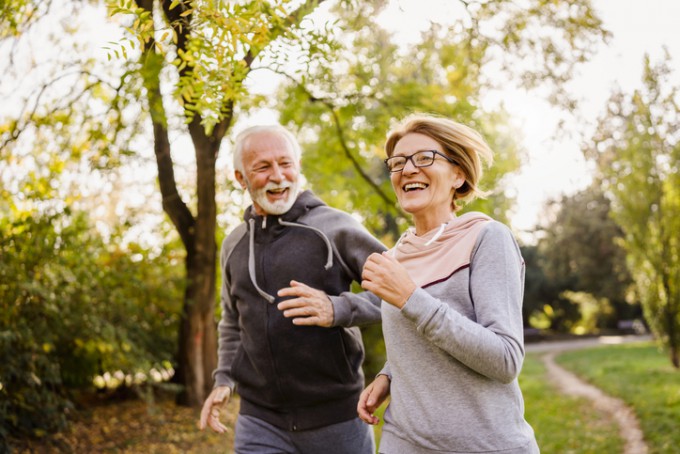
In his 50s, office worker Kim Young-ho changed his lifestyle completely after seeing his father struggle with colorectal cancer a few years ago. "I loved alcohol and meat just like my father, and I never exercised. I realized I could also be at risk." He reduced his drinking and started taking 30-minute walks with his wife every evening. He also switched to a diet rich in brown rice and vegetables. A year later, he lost 10 kg and felt much lighter and healthier.
‘Screenings and Warning Signs’ for Early Detection
Another crucial aspect of cancer prevention is 'early detection'. The cure rates are much higher when cancer is detected early. To achieve this, it's essential to understand both 'screenings' and 'warning signs'.
Regular Screenings are tests done 'when there are no symptoms'. Many countries, including ours, provide national cancer screenings for breast, colorectal, and cervical cancer based on scientific evidence when individuals reach certain ages. For high-risk groups with significant smoking history, low-dose chest CT scans for lung cancer have been proven effective in reducing mortality rates.
Warning Signs are unusual signals your body sends. If you experience any of the following symptoms without a clear reason for more than a few weeks, it's wise not to dismiss them as mere fatigue and instead seek medical advice.
Unexplained weight loss
New lumps or masses that weren't there before
Blood in stools, urine, or phlegm
Changes in bowel habits, such as prolonged constipation or diarrhea
Changes in skin spots or colors, or wounds that don’t heal
A hoarse voice or persistent dry cough lasting more than a month
In-Depth Exploration 1: An Era of Preventing Cancer with Vaccines
Did you know that cancer can be caused by viral infections? Fortunately, we live in an age where we can prevent some of them with 'vaccines'. The two most representative cancer prevention vaccines are the HPV vaccine and the Hepatitis B (HBV) vaccine.
HPV (Human Papillomavirus) is a key cause found in over 90% of cervical cancer cases. The HPV vaccine effectively prevents infections of this virus, thereby preventing not only cervical cancer but also anal and oropharyngeal cancers. It is most effective when administered during adolescence, but it can still provide significant protection if given to adults who haven't been infected.
Hepatitis B Virus (HBV) is a dangerous virus that can cause chronic hepatitis, leading to cirrhosis or liver cancer. In our country, the Hepatitis B vaccination is mandatory for all newborns, which has significantly reduced the incidence of liver cancer in younger generations. The HBV vaccine is often referred to as the first 'cancer prevention vaccine' due to its proven effectiveness.
In-Depth Exploration 2: The Light and Shadow of Cancer Screening and the 'Overdiagnosis' Debate
'Screening' for early detection of cancer is undoubtedly a powerful tool that has saved countless lives. However, there has been active discussion in the medical community regarding the shadow of 'overdiagnosis'. Overdiagnosis refers to detecting 'indolent cancers' that may never pose a threat to life, too early and too frequently.
Thyroid cancer and some prostate cancers serve as prime examples. As health screenings have become more common and diagnostic technologies have advanced, the rates of these cancers have skyrocketed over the past few decades. Interestingly, however, mortality rates have remained almost unchanged. This suggests that many cancers detected may not require treatment at all. Considering the complications from unnecessary surgeries or treatments and the anxiety it causes patients, 'unconditional early detection' may not always be the best approach.
Thus, recent cancer screening guidelines have been carefully developed to minimize the risk of overdiagnosis. Decisions regarding the starting age for screenings, frequency of tests, and high-risk group selection are made based on scientific evidence. What we need is not 'unconditional' but a 'smart screening plan that suits us.'
Episode: The Wise Choice of 40s Housewife Lee Seo-yeon
In her 40s, housewife Lee Seo-yeon received a national cancer screening notification and underwent a mammogram. After being told that 'additional testing is needed', she felt a surge of panic. However, the biopsy results confirmed that her lump was a benign tumor, not cancer. "The week I waited for the results was truly hellish. But this experience made me realize the importance of regular screenings, and I started paying more attention to my eating habits and exercise." For her, screening was a source of fear but also a reminder of the value of health.
12-Week Action Checklist (FAQ)
Q. There’s so much to do, but if I only start with 3 things, what should they be?
The three most impactful habits are undoubtedly 1) Complete smoking cessation, 2) Reducing alcohol consumption, 3) Maintaining a healthy weight. Just sticking to these three can significantly lower the risk of cancer and other chronic diseases.
Healthy eating seems too hard. Are there any easy practices?
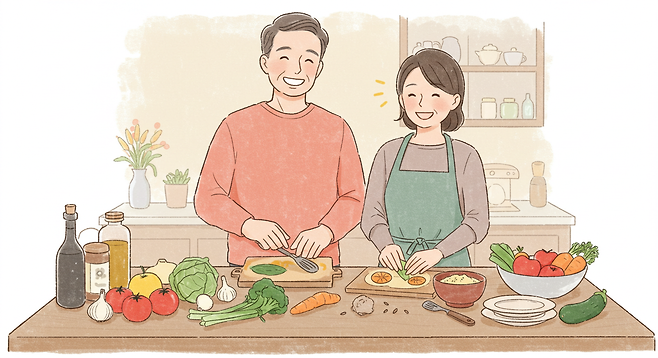
Start with filling half of your plate with vegetables, like in a 'diabetes plate'. And try to eat fish or legumes instead of red meat once or twice a week. Small changes can lead to big differences.
Author Information: The content of this article has been compiled from the official guidelines and latest research results of reputable organizations such as the World Health Organization (WHO), World Cancer Research Fund (WCRF), American Cancer Society (ACS), and the U.S. Preventive Services Task Force (USPSTF), providing an objective overview of scientifically based methods for cancer prevention and early detection.



Comments
Post a Comment