Beginner in Game Development, Which Engine Should I Use? Comparison of Unity vs Unreal vs Godot (Focusing on Free Engines) Choosing a Game Engine: Know This First: 5 Key Q&A Q1. What is a Game Engine? Is it necessary to use one? A. Think of a game engine as a set of development tools that bundles essential functions required for making games, similar to a car engine. It includes features like rendering graphics on-screen ( Rendering ), physics effects for characters colliding with walls or jumping ( Physics Engine ), and playing background music or sound effects ( Audio System ). While it's possible to create a game from scratch without an engine, it requires an immense amount of time and effort, which is why most developers today use game engines, especially beginners! Q2. I want to start game development; are there any good free engines available? A. Yes,...
My Eyes Are So Itchy! A Comprehensive Summary of Common Eye Disease Symptoms, Causes, and Treatments
My Eyes Are So Itchy! A Comprehensive Overview of Common Eye Disease Symptoms, Causes, and Treatments
Eye Health: Essential Knowledge - 5 Key Q&A
Q1. What is the most common cause of itchy eyes?
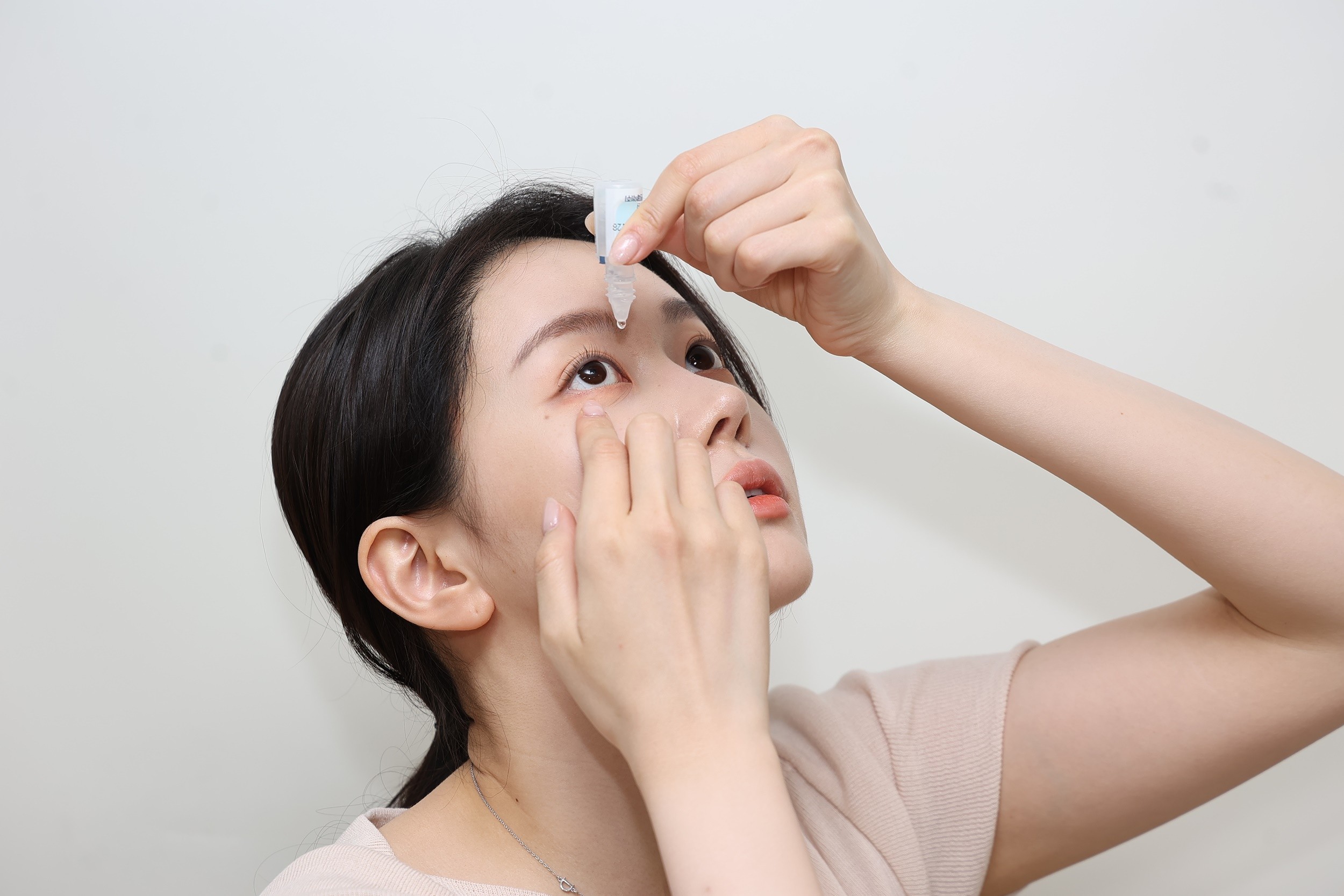
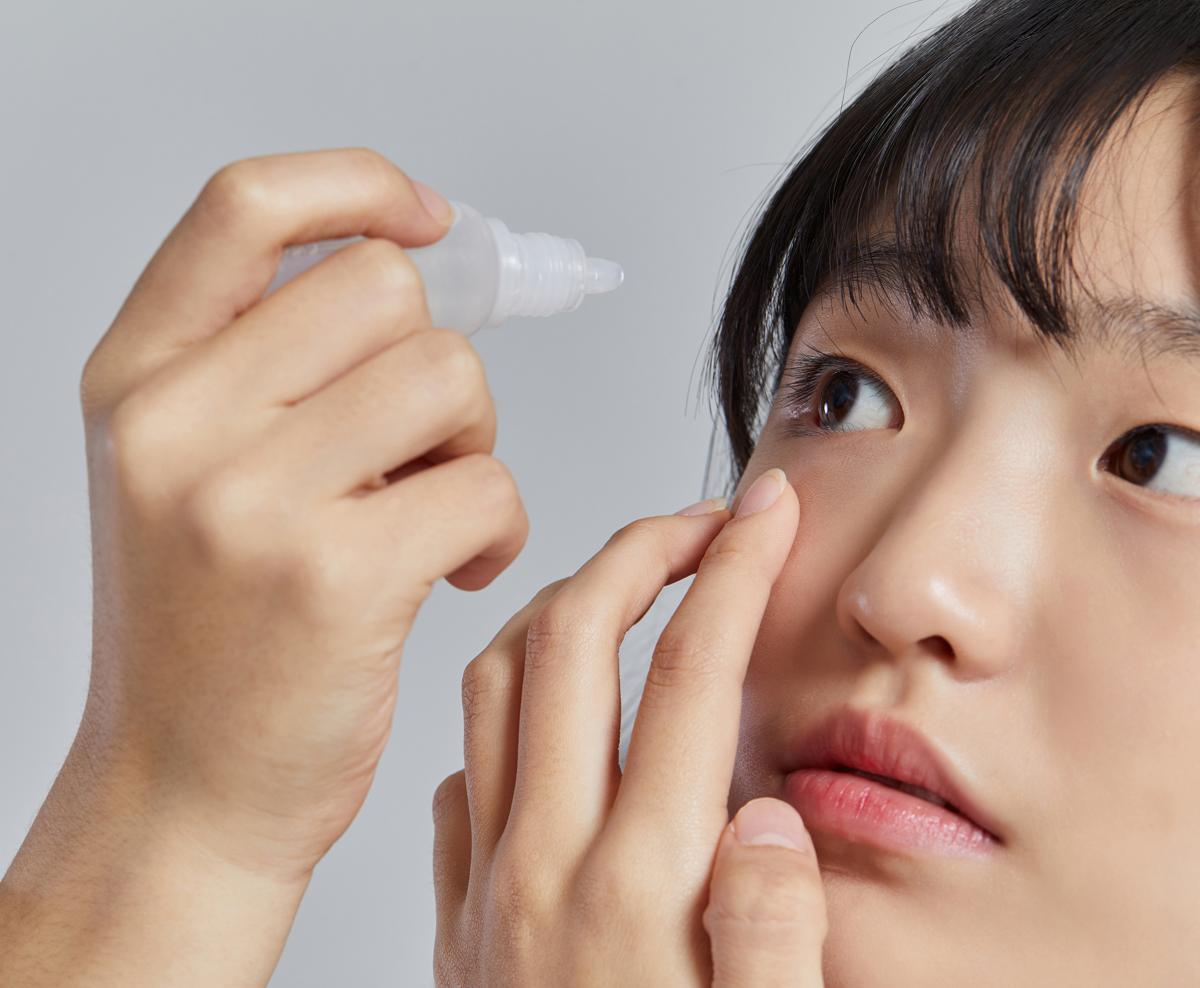
In most cases, it is 'allergic conjunctivitis'. It occurs due to allergens like pollen or dust mites. Usually, eye drops containing antihistamines are recommended as the first line of treatment.
Do eye diseases always spread to others?
No, it depends on the type. Viral conjunctivitis and bacterial conjunctivitis are highly contagious, so you should not share towels or cosmetics. However, non-infectious conditions like allergic conjunctivitis or dry eye syndrome are not contagious.
Is it okay to leave my contact lenses in if my eyes hurt?
Absolutely not. If you feel pain or irritation, you should remove your lenses immediately. Bacterial keratitis, caused by poor lens care, can lead to serious vision loss. Always consult an ophthalmologist before re-inserting your lenses.
If I have dandruff-like flakes on my eyelids and it itches, is this an eye disease?
Yes, this is likely an inflammation of the eyelid called 'blepharitis'. It is characterized by itching and a foreign body sensation at the eyelid margins. Regular warm compresses and eyelid cleansers are key treatments.
Can severe dry eye syndrome cause itchiness?
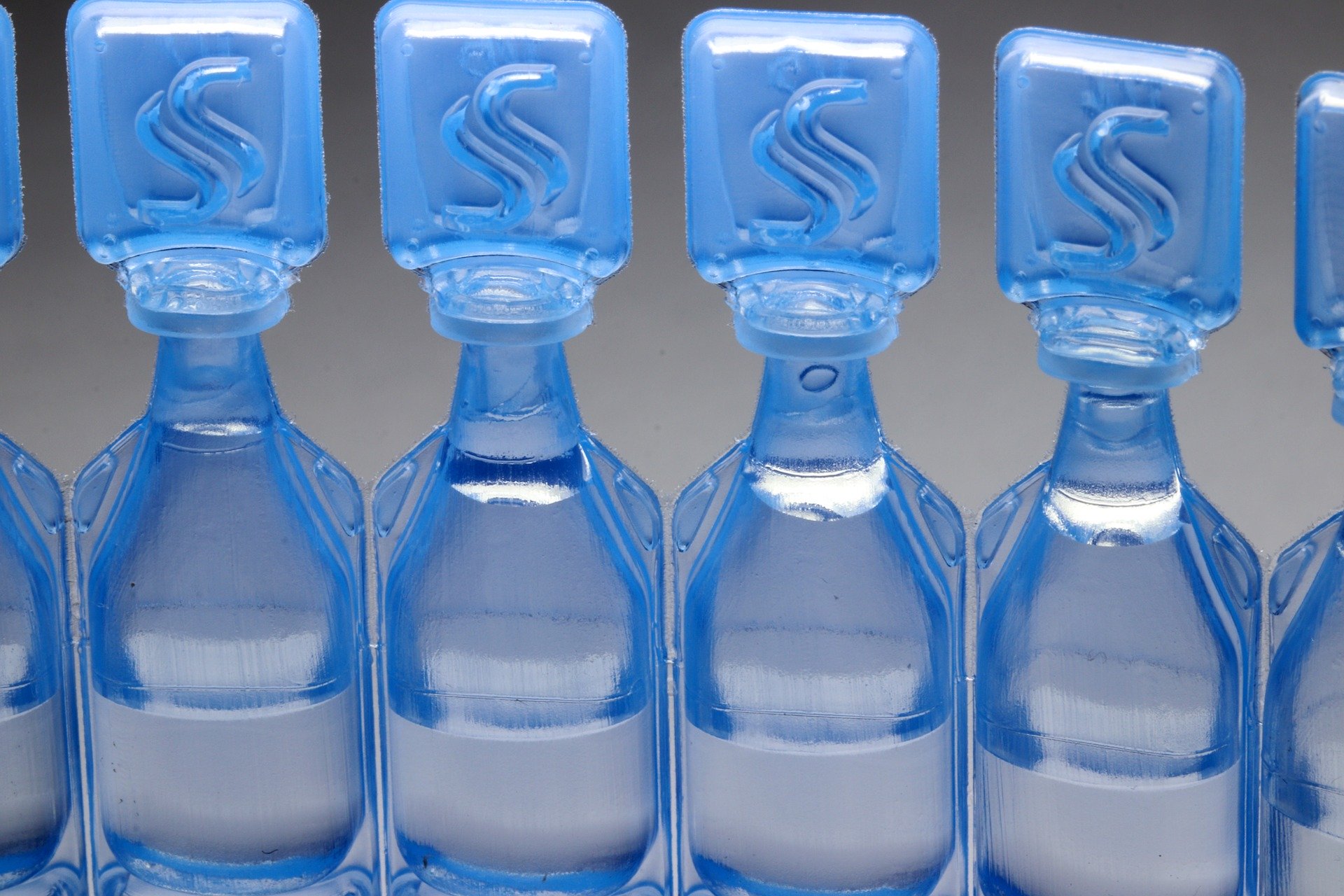
Definitely. When the eyes are dry, the tear film becomes unstable, leading to a stinging sensation and a gritty feeling, which can accompany itchiness. In such cases, using artificial tears can be helpful.
Seasonal changes or a tired afternoon often bring about itchy eyes. Many of us have experienced rubbing our eyes only to have them turn red and watery. Itchy eyes are not just a minor inconvenience; they can be an important signal from our body. It could be a simple allergic reaction or a sign of a serious disease threatening our vision. Today, we will explore the causes of itchy eyes and learn about wise responses for each situation in this eye health report.
Identifying Causes from Symptoms: Why Are My Eyes Itchy?
The causes of itchy eyes are quite varied. However, by closely observing a few characteristic symptoms, you can often guess the cause.
Allergic conjunctivitis: If both eyes suddenly become unbearably itchy with clear tears during spring or autumn transitions or after being in dusty places or touching animals, this is almost certain.
Viral/Bacterial conjunctivitis: If your eyes are red and sticky discharge is present, or you suspect it was contracted from someone else, it is likely an infectious conjunctivitis. Viral conjunctivitis is particularly contagious.
Blepharitis: If the eyelid margins are especially itchy and you wake up with flake-like discharge stuck to your eyelashes, you should suspect eyelid inflammation, known as blepharitis.
Dry eye syndrome: If your eyes feel more gritty and painful than simply itchy, it could be dry eye syndrome.
🚨 Warning Signs That Require Immediate Medical Attention: If you experience severe pain, light sensitivity, or vision loss, or if you feel pain while wearing lenses, you should visit an ophthalmologist without delay!
Episode: Developer Lee Junho's Dry Eyes
IT developer Lee Junho has been experiencing itchy and dry eyes every afternoon for several months, making it hard to look at the monitor. He thought it was allergies, but taking antihistamines didn’t help. Eventually, he visited an ophthalmologist and was diagnosed with 'evaporative dry eye syndrome' and 'meibomian gland dysfunction.' The doctor advised him to perform warm compresses and eyelid cleansing every evening along with medication. "I never thought the issue was that the oil glands in my eyelids were blocked. Since I started warm compresses, my eyes feel so much better."
Evidence-Based Treatment Roadmap: How to Treat It?
Treatment methods vary depending on the cause. Let's explore step-by-step solutions for the most common cases.
For allergic conjunctivitis It’s crucial to avoid the triggering substances first. Cold compresses can help with itchiness. Over-the-counter antihistamine/mast cell stabilizer eye drops (like ketotifen) are the first-line treatment. If this is insufficient, you may need to use other prescribed eye drops.
For blepharitis (eyelid inflammation) The most important treatment is 'consistent management.' Every evening, use warm compresses for 5-10 minutes to melt the oils in the eyelid glands, then gently clean the eyelid area with a dedicated cleanser or diluted baby shampoo. Consistent practice can significantly improve symptoms.
Dry Eye Syndrome: It's More Than Just Dryness
Many people think of dry eye syndrome as simply a 'lack of tears,' but it is actually a much more complex issue. Our tears are not just made of water; they consist of three layers: the inner mucus layer, the aqueous layer (water), and the outer lipid layer (fat). The outer lipid layer plays a crucial role in preventing tears from evaporating too quickly.
Over 80% of dry eye patients do not have a shortage of tears; rather, they suffer from 'evaporative dry eye syndrome' due to blocked or dysfunctional meibomian glands, which fail to secrete oil properly. Without this oil coating, tears evaporate too quickly. Therefore, the key to treating dry eye syndrome is not just to supplement moisture with artificial tears but also to emphasize the importance of warm compresses and eyelid hygiene to unblock the clogged oil glands.
Safety Guide for Contact Lens Wearers
Contact lenses are convenient, but we must always remember that they are 'foreign objects' to our eyes. Neglecting lens care can lead to corneal scratches, allowing bacteria to invade and potentially cause serious 'bacterial keratitis.' The Centers for Disease Control and Prevention (CDC) emphasizes the following guidelines to prevent lens-related infections.
Avoid contact with water: Always remove your lenses when showering or swimming. Microorganisms like acanthamoeba found in tap water or swimming pools can attach to lenses and infect the cornea.
Thorough cleaning and storage: Always wash your hands before handling lenses, and use a dedicated cleaning solution to rinse them. Clean your lens case daily and replace it at least every three months.
Remove before sleeping: Sleeping with lenses increases the risk of infection by obstructing oxygen supply to the cornea.
Episode: University Student Kim Mina's Scary Moment
During finals week, university student Kim Mina fell asleep with her lenses in due to extreme fatigue. The next morning, she woke up with severe pain and could not open her eyes due to excessive tearing. A hurried visit to the ophthalmologist revealed she had 'keratitis caused by pseudomonas.' Fortunately, thanks to prompt treatment, she did not lose her vision, but the doctor warned her, "If you had waited just one more day, you would have regretted it for life." From then on, she strictly adhered to lens hygiene rules.
Home Check-Up Checklist (FAQ)
Q. I have multiple symptoms; which medication should I try first?
The first thing you can try is preservative-free artificial tears. They help keep your eyes moist and wash away irritants. If itchiness is the main symptom, you can purchase allergy eye drops containing antihistamines from the pharmacy.
Q. What should I do if symptoms persist for more than two weeks despite medication?
If symptoms do not improve or worsen after a few days of using over-the-counter medications, stop self-treatment and consult an ophthalmologist. You may need a proper diagnosis and potentially stronger prescription medication.
Author Information: The content of this article has been compiled based on official guidelines and the latest academic materials from reputable institutions such as the Centers for Disease Control and Prevention (CDC), the American Academy of Ophthalmology (AAO), and the World Health Organization (WHO), focusing on common causes and treatments for itchy eyes, as well as emergency signals, backed by objective evidence.


Comments
Post a Comment