Beginner in Game Development, Which Engine Should I Use? Comparison of Unity vs Unreal vs Godot (Focusing on Free Engines) Choosing a Game Engine: Know This First: 5 Key Q&A Q1. What is a Game Engine? Is it necessary to use one? A. Think of a game engine as a set of development tools that bundles essential functions required for making games, similar to a car engine. It includes features like rendering graphics on-screen ( Rendering ), physics effects for characters colliding with walls or jumping ( Physics Engine ), and playing background music or sound effects ( Audio System ). While it's possible to create a game from scratch without an engine, it requires an immense amount of time and effort, which is why most developers today use game engines, especially beginners! Q2. I want to start game development; are there any good free engines available? A. Yes,...
My Skin Itches and Stings!: Symptoms of Bug Bites and How to Deal with Them
When Your Skin Itches and Stings: A Comprehensive Guide to Insect Bite Symptoms and Remedies
Know This About Insect Bites: 5 Key Q&A
Q1. What is the best first aid treatment for insect bites that I can do at home?
The first thing you should do is wash the bitten area thoroughly with soap and water. Then, apply a cold compress to reduce swelling and itching, and using a 1% hydrocortisone cream or taking an oral antihistamine from the pharmacy can help. Most importantly, do not scratch! Scratching increases the risk of secondary infection.
Q2. How should I remove a bee sting?
If there is a stinger embedded in your skin, do not try to pull it out with tweezers. This can squeeze more venom into your skin. The safest method is to gently scrape the skin with a credit card or your fingernail to remove it. After that, wash the area and apply a cold compress.
Q3. What symptoms should prompt an immediate visit to the emergency room?
This is very important. If you experience difficulty breathing, swelling of the lips, tongue, or throat, severe dizziness, or hives spreading rapidly across the body, it may indicate a severe allergic reaction called 'anaphylaxis', and you should call emergency services immediately. This is especially critical if you have a history of severe allergies.
Q4. It's been several days and I'm still itchy with bumps. Is this normal?
This could be a common condition known as 'papular urticaria', especially in children. It occurs when the immune system reacts overly to the components of insect bites, and can last for several weeks. It’s important to manage the urge to scratch and to prevent further bites.
Q5. What is the most reliable way to avoid insect bites?
Using insect repellents that contain ingredients registered with the Environmental Protection Agency (EPA) such as DEET or Picaridin is most effective. Additionally, wearing clothing treated with a substance called 'permethrin' enhances protection significantly. Of course, wearing long sleeves and pants to minimize skin exposure is also a basic precaution.
Mosquitoes, ticks hiding in the grass, and bees attracted to sweet scents are the uninvited guests of summer nights. The more enjoyable the outdoor activities are, the more we encounter various insects. While most encounters result in temporary itchiness, sometimes they can lead to days of discomfort or even life-threatening emergencies. Instead of vague fears, we need to understand what is attacking our bodies and how to respond appropriately. Today, we will learn how to read the signals our bodies send and respond wisely through a practical guide on insect bites.
Identifying the Cause by Symptoms: Who Bit Me?
By examining the shape of the bite mark and the characteristics of the symptoms, you can get an idea of which insect is responsible.
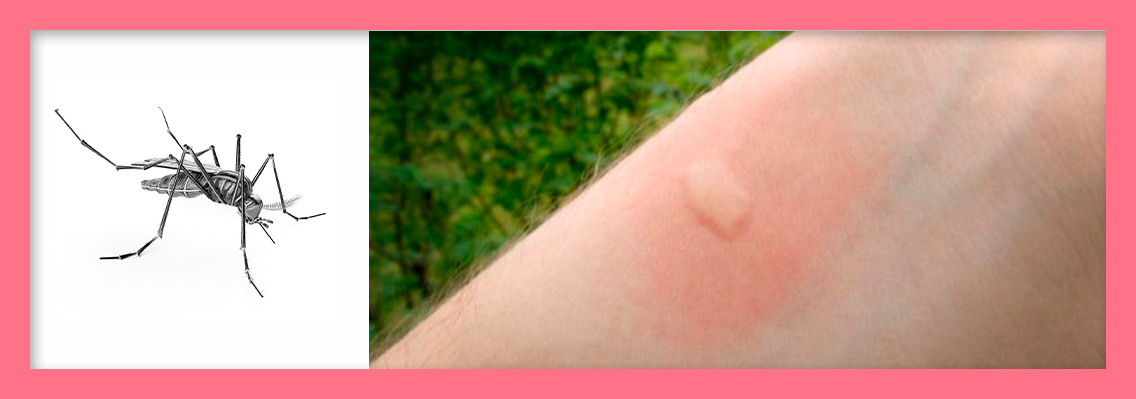
Mosquito: This is the most common case. It causes redness and severe itching right after being bitten.
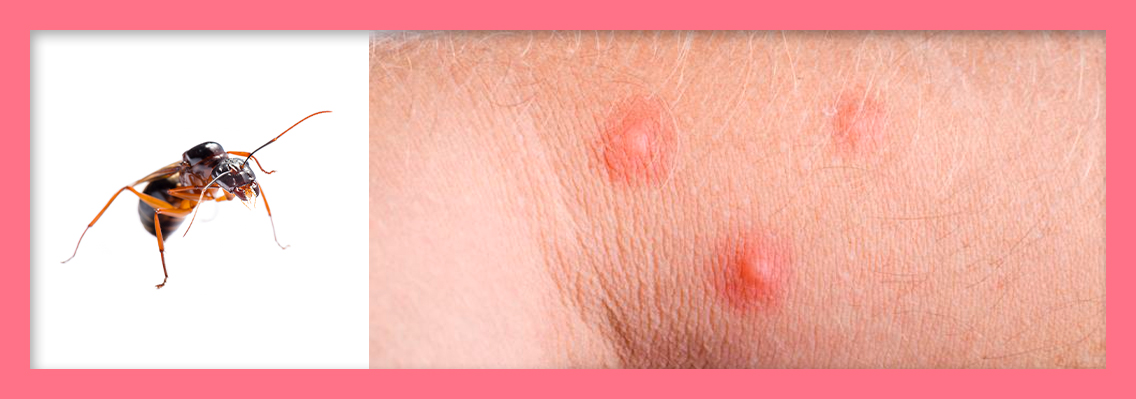
Bee/Wasp: It’s more accurate to say you were 'stung' rather than bitten. Pain like burning and swelling spreads quickly around the sting site.
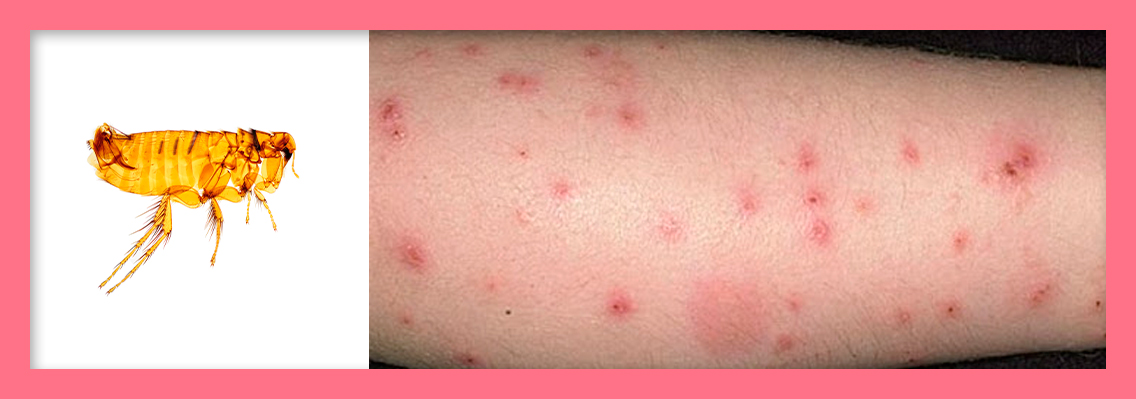
Bed Bugs/Fleas: If you wake up to find several bite marks in a line or cluster in certain areas of your body, you might suspect these. They are characterized by intense itching.
Episode: College Student Park Seo-jun's Experience
After camping with friends, Park Seo-jun found several red spots on his leg the next morning. "I thought it was mosquito bites, but the itching was unbearable, and it didn’t go down for several days." Visiting the hospital, he was diagnosed with 'papular urticaria', a hypersensitive reaction that occurs after being bitten by ticks or fleas in the grass. The doctor advised him to avoid scratching and prescribed medication to relieve the itching.
How to Respond in Different Situations: What Should I Do?
Depending on the cause, the response may vary slightly. The most important principles are 'do not scratch' and 'keep it clean.'
General Insect Bites: The basic principles when bitten by mosquitoes, fleas, or ticks are 'wash, cool, and apply'. Clean the bitten area with soap and water to prevent secondary infection, and apply a cold compress to reduce swelling and itching. After that, you can use a 1% hydrocortisone cream or calamine lotion from the pharmacy for relief.
When Stung by a Bee: The first thing to do is 'remove the stinger'. If a stinger is embedded in your skin, gently scrape it out with something like the edge of a credit card. Avoid using tweezers as it can squeeze venom into the skin. After removing the stinger, wash the area and apply a cold compress just like with other insect bites.
In-depth Exploration 1: Anaphylaxis, a Life-Threatening Allergic Reaction
Most insect bites result in localized issues, but for some individuals, a life-threatening systemic allergic reaction called 'anaphylaxis' can occur. This is an emergency situation where the immune system reacts uncontrollably to the venom from an insect.
Typical symptoms of anaphylaxis appear within minutes of being stung and include difficulty breathing (feeling of swelling in the throat and blocked airways), hives rapidly spreading over the body, severe dizziness, and low blood pressure. If you experience these symptoms, do not hesitate for a second; call emergency services immediately. If you have had such experiences before, carrying an 'epinephrine' auto-injector prescribed by a doctor is a lifesaving measure.
In-depth Exploration 2: Choosing the Right Insect Repellent Ingredients
The best way to avoid insect bites is to use repellents correctly. There are a variety of products on the market, but which ingredients should you look for? The Centers for Disease Control and Prevention (CDC) recommends several scientifically proven ingredients for effectiveness and safety.
DEET: The most powerful and effective ingredient that has been used the longest. The duration of effectiveness varies depending on the concentration.
Picaridin: Similar in effectiveness to DEET but less odorous and less damaging to plastics and fabrics.
IR3535: Another effective ingredient, but it can cause eye irritation, so caution is needed.
Permethrin: Not for direct application on the skin. It can be sprayed on clothing, tents, and shoes to kill or repel insects upon contact. Using it alongside a skin repellent maximizes preventive effects.
Episode: Hiker Lee Hyun-soo's Preparation
Lee Hyun-soo, who enjoys hiking every weekend, is an expert in using insect repellent. "The day before hiking, I spray 'permethrin' on the clothes and hiking boots I’ll wear and let them dry. On the day, I carefully apply a repellent with 'picaridin' on exposed skin." Thanks to this double preparation, he enjoys hiking comfortably while others struggle with ticks and mosquitoes.
Home Check Checklist (FAQ)
Q. What should I do if I scratch the bite and it becomes a wound that oozes?
If you damage the skin by scratching, bacteria can enter and cause a 'secondary infection'. If the wound becomes increasingly painful and swollen, or if you have a fever or pus, it may be a bacterial infection like cellulitis, and you should seek medical attention for antibiotic treatment.
Q. Do natural insect repellents not work?
Some natural ingredients like citronella or lemon eucalyptus oil are known to have some repelling effects. However, they have shorter durations of effectiveness and can vary in effectiveness compared to EPA-registered ingredients like DEET or Picaridin, so using them alone is not recommended. Especially when traveling to areas at risk for malaria or Zika virus, it’s safer to use products with proven ingredients.
Author Information: The content of this article is based on official guidelines and the latest medical information from credible institutions such as the Centers for Disease Control and Prevention (CDC), the American Academy of Dermatology (AAD), and the National Health Service (NHS), providing an objective overview of symptoms, remedies, and prevention methods for insect bites and stings.


Comments
Post a Comment