Beginner in Game Development, Which Engine Should I Use? Comparison of Unity vs Unreal vs Godot (Focusing on Free Engines) Choosing a Game Engine: Know This First: 5 Key Q&A Q1. What is a Game Engine? Is it necessary to use one? A. Think of a game engine as a set of development tools that bundles essential functions required for making games, similar to a car engine. It includes features like rendering graphics on-screen ( Rendering ), physics effects for characters colliding with walls or jumping ( Physics Engine ), and playing background music or sound effects ( Audio System ). While it's possible to create a game from scratch without an engine, it requires an immense amount of time and effort, which is why most developers today use game engines, especially beginners! Q2. I want to start game development; are there any good free engines available? A. Yes,...
Proven Latest Treatments for Hair Loss and Daily Care Methods
Everything About Hair Loss: Proven Latest Treatments and Daily Care Methods
Hair Loss: Key Information You Should Know - 5 Essential Q&A
Q1. What are the treatments that really work?
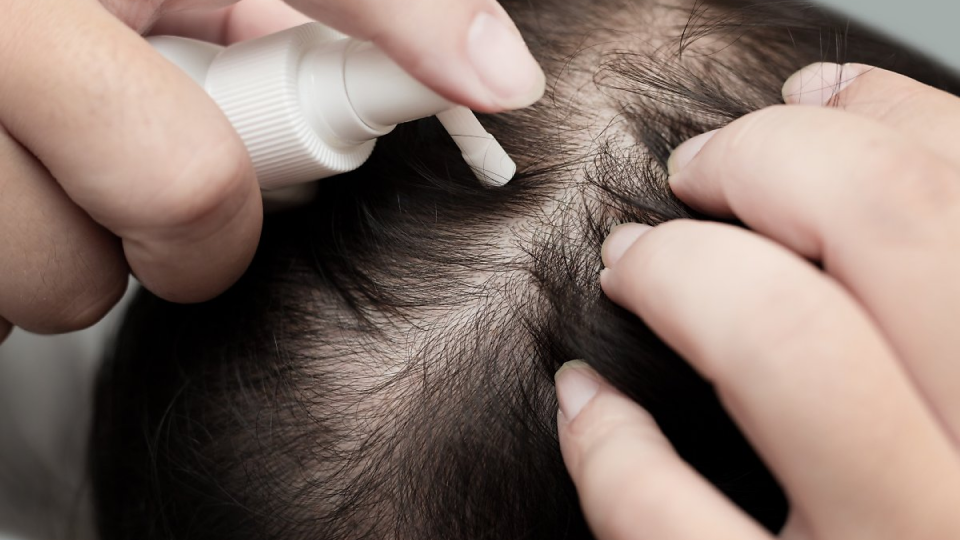
Yes, there are scientifically proven treatments. The topical medication 'Minoxidil' is effective for both men and women, and the oral medications 'Finasteride' and 'Dutasteride', which are crucial for genetic hair loss, are the most reliable first-line treatments. Procedures like PRP injections or low-level laser therapy (LLLT) are also sometimes used alongside these.
Q2. Can 'Alopecia Areata', where hair falls out in coin-sized patches, be treated?
Yes, there have been groundbreaking treatments recently. Medications from the 'JAK inhibitor' class (such as Baricitinib and Ritlecitinib) have shown excellent effects for severe alopecia areata and have received official approval.
Q3. I heard there’s an 'oral Minoxidil'?
Yes, it's called 'Low-Dose Oral Minoxidil (LDOM)'. Originally developed as a blood pressure medication, it has been found to promote hair growth at very low doses and is prescribed off-label by doctors. While it is effective, it’s important to monitor for side effects like low blood pressure or swelling.
Q4. I'm worried about the side effects of hair loss medications.
The most common concern is with Finasteride, which has been reported to cause erectile dysfunction or mood changes in rare cases. Recently, the European Medicines Agency (EMA) decided to add a warning regarding 'suicidal thoughts/behaviors' to the label. While the occurrence rate is very low, it’s crucial to consult with a doctor before starting treatment and to monitor any changes during the course.
Q5. Can I regrow my hair just by managing my lifestyle?
Lifestyle management plays a supportive role in 'preventing further deterioration and maintaining healthy hair'. Managing scalp inflammation, ensuring adequate intake of protein, iron, and vitamin D, and getting good sleep can certainly help. However, if genetic hair loss or alopecia areata has already started, it is difficult to treat with lifestyle changes alone. Accurate diagnosis and medical treatment from a dermatologist are essential.
One day, when you suddenly see a pile of hair on your pillow or face the thinning crown in the mirror, it brings a chilling feeling. Hair loss is not just a phenomenon of losing hair; it is a significant event that shakes our confidence and daily life. In the midst of numerous 'tips' and advertisements circulating on the internet, we can easily lose our way. But instead of being swept away by vague anxiety, we need to confront the real face of hair loss and understand the most certain and scientific paths that modern medicine offers. Today, we will explore how to accurately read the signals from our hair, the proven treatment options, and small daily habits. Let's draw a map that will help us not to lose our way in the long battle against hair loss.
Understanding the Landscape of Hair Loss: Why You Need to Distinguish Between 'Types'
Not all hair loss is the same. The treatment methods vary completely depending on the cause and progression, so it is essential to first know what type of hair loss you have.
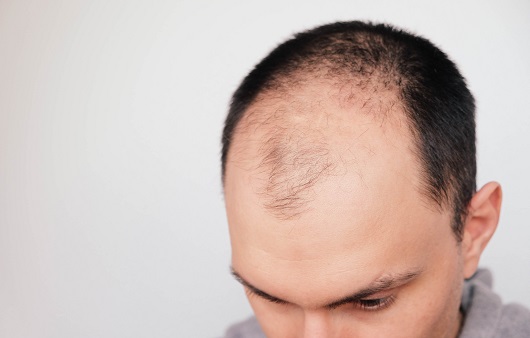
Androgenetic Alopecia (AGA): The most common type, characterized by genetic and hormonal influences, where the hairline recedes in an M shape or the hair on the crown gradually thins.
Alopecia Areata (AA): An autoimmune disease where the immune system mistakenly attacks hair follicles, leading to coin-shaped patches of hair loss. In severe cases, eyebrows or other body hair may also fall out.
Telogen Effluvium (TE): A phenomenon where hair enters the telogen phase all at once due to severe stress, illness, childbirth, or rapid weight loss, resulting in overall thinning. Most often, it recovers over time once the underlying cause is resolved.
Standard Treatment for AGA: Minoxidil and 5-Alpha Reductase Inhibitors
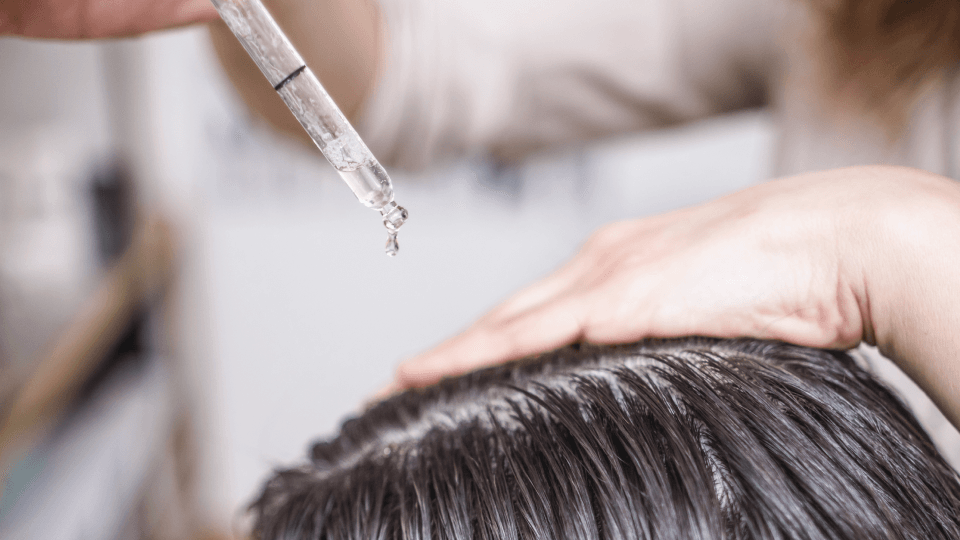
For the most common genetic hair loss (AGA), the two mainstays of treatment are Minoxidil and 5-alpha reductase inhibitors (Finasteride, Dutasteride). Minoxidil is a topical medication that improves blood flow around the hair follicles and extends the hair growth phase. Consistent use is crucial, and initially, you may experience temporary increased shedding known as 'shedding phenomenon', but this is a normal part of the treatment process, so don't worry too much.
Finasteride and Dutasteride are oral medications that inhibit the production of the male hormone (DHT) that causes hair loss, effectively preventing hair from thinning and maintaining or improving the thickness of existing hair. Typically, noticeable effects can be seen after continuous use for 6 months to over a year, and stopping treatment tends to revert to the original state.
Episode: The Persistence of Park Jun-seo, a 30s Office Worker
Park Jun-seo, who began experiencing hair loss on the crown in his early 30s, was diagnosed with male-pattern hair loss at a dermatology clinic and started taking Finasteride and applying Minoxidil. "The first 3-4 months were tough; I wanted to give up because of the 'shedding phenomenon' where hair fell out more. But my doctor encouraged me that this is part of the treatment process." He continued his treatment and noticed a significant improvement in his crown area after about a year. "Hair loss treatment is like a marathon. Consistency ultimately wins."
A New Era in Alopecia Areata Treatment: The Emergence of JAK Inhibitors
Alopecia areata, caused by errors in the immune system, has been more challenging to treat. However, the recent emergence of 'JAK inhibitors' has brought about a revolutionary change. These medications block the signaling pathways of overactive immune responses, preventing immune cells from attacking hair follicles.
They have shown high regrowth effects in severe alopecia areata patients, who previously had no clear treatment options, and now they can conveniently try oral medications (such as Baricitinib and Ritlecitinib). However, since these are immune-modulating drugs, there may be side effects such as increased risk of infections, so they must be used under strict medical supervision.
Completing Treatment: Daily Care and Lifestyle Habits
Along with medical treatment, maintaining healthy lifestyle habits plays a vital role in enhancing treatment effects and keeping hair strong. If there is inflammation on the scalp, it should be managed with medicated shampoo, and behaviors that stress the scalp and hair, such as hot air drying or tight hairstyles, should be minimized. Additionally, it’s important to consume sufficient protein, iron, and vitamin D through your diet, and ensure you get 7-9 hours of quality sleep.
In-Depth Exploration 1: Oral Minoxidil (LDOM), A New Hope?
The treatment method of taking 'Minoxidil' in very low doses, known as 'Low-Dose Oral Minoxidil (LDOM)', has recently emerged as a new alternative for hair loss treatment. Originally developed as a blood pressure medication, Minoxidil is a vasodilator, and it was repurposed for hair loss after the side effect of 'hypertrichosis' was observed.
LDOM can be taken conveniently without the discomfort of topical application (such as stickiness or scalp irritation), and some studies suggest it may show better effectiveness than topical forms. It can be a good option, especially for female-pattern hair loss or cases that do not respond well to other treatments. However, it is still an off-label treatment not officially approved by the FDA for hair loss, so it must be done under strict medical supervision. There may be systemic side effects such as low blood pressure, swelling, or increased heart rate, so regular monitoring is essential.
In-Depth Exploration 2: How Should We Interpret the Controversy Over Finasteride Side Effects and EMA's Warnings?
Finasteride, the most powerful weapon in the treatment of male-pattern hair loss, has long been at the center of side effect controversies. Concerns have been raised about sexual side effects such as decreased libido and erectile dysfunction, as well as mood changes like depression. In most large-scale studies, the incidence of these side effects is reported to be very low, around 1-2%, and most recover after discontinuing the medication, but patient anxiety has not easily dissipated.
Recently, the European Medicines Agency (EMA) has decided to specify the risk of 'suicidal thoughts/behaviors' on the drug label. This does not mean that the drug directly causes suicidal impulses; rather, it serves as a warning that, while rare, such reports have existed, and both patients and doctors should be aware of this risk when prescribing and taking the medication. It is a message to find a careful balance between the benefits of hair loss treatment and potential risks. Therefore, it is crucial to monitor mood changes before and during treatment and to consult a doctor immediately if any abnormalities are felt.
Episode: Kim Hyun-woo, a Graduate Student in His 20s, Struggles with Choices
In his late 20s, graduate student Kim Hyun-woo was diagnosed with hair loss and recommended Finasteride, but he spent several nights worrying about the side effects he read online. "It's important to protect my hair, but I was so scared of losing my health." He returned to the clinic and honestly shared his anxieties with the doctor, who explained the actual incidence rates of side effects and how to manage them. After thorough counseling, he decided to start the medication and now regularly meets with his doctor every six months to monitor his condition and continue treatment with peace of mind.
Daily Management: Checklist (FAQ)
Q. Are there shampoos that are particularly good for hair loss?
The main role of shampoo is 'cleansing'. Shampoo alone cannot regrow hair. However, if there is significant inflammation or dandruff on the scalp, it can worsen hair loss, so it’s important to use a shampoo suited to your scalp type to keep it clean. If necessary, using medicated shampoos like Ketoconazole 2-3 times a week, as prescribed by a doctor, can be helpful.
Q. How long does it take to feel the effects of treatment?
Treatment requires patience. For medications like Minoxidil or Finasteride, it takes at least 3-6 months to notice significant changes, and about a year for visible effects when comparing photos. Not giving up midway is the most important thing.
Q. If I start treatment, will I have to do it for life?
In the case of genetic hair loss (AGA), if treatment is stopped, it mostly gradually returns to its original state. Therefore, it’s good to approach it as a chronic condition that requires consistent management, like hypertension or diabetes. In the case of alopecia areata, remission can be maintained for a long time after treatment, but there is still a possibility of relapse, so continuous monitoring is needed.
Author Information: The content of this article has been compiled based on objective evidence from official materials from the American Academy of Dermatology (AAD), the FDA, and recent meta-analyses and review papers published in major journals such as NEJM and JAMA Dermatology, covering standard treatments and the latest trends for various types of hair loss.


Comments
Post a Comment