Beginner in Game Development, Which Engine Should I Use? Comparison of Unity vs Unreal vs Godot (Focusing on Free Engines) Choosing a Game Engine: Know This First: 5 Key Q&A Q1. What is a Game Engine? Is it necessary to use one? A. Think of a game engine as a set of development tools that bundles essential functions required for making games, similar to a car engine. It includes features like rendering graphics on-screen ( Rendering ), physics effects for characters colliding with walls or jumping ( Physics Engine ), and playing background music or sound effects ( Audio System ). While it's possible to create a game from scratch without an engine, it requires an immense amount of time and effort, which is why most developers today use game engines, especially beginners! Q2. I want to start game development; are there any good free engines available? A. Yes,...
Scientific Protein Intake Method to Prevent Muscle Loss After Middle Age
Scientific Protein Intake Methods to Prevent Muscle Loss After Middle Age: From Principles to Diet
Preventing Muscle Loss: Key 5 Q&A
Q1. How much protein should I eat after middle age?
You need to pay more attention to your intake compared to when you were younger. International recommendations suggest that healthy middle-aged individuals should consume 1.0 to 1.2g of protein per kg of body weight each day. For example, if you weigh 60kg, that’s about 60 to 72g per day. If you are sick or recovering, it may increase to 1.5g.
Q2. Is it okay to eat all the protein in one meal?
No, it’s much more effective to spread it out. Our body's muscle synthesis factory can only process a certain amount at a time. Research shows that consuming 25 to 30g of protein evenly across breakfast, lunch, and dinner maximizes total muscle synthesis for the day.
Q3. It’s really hard to get protein in the morning.
Many people miss out on protein during breakfast. However, morning protein plays a crucial role in preserving muscle after a night without protein supply. It doesn’t have to be elaborate. Adding Greek yogurt or two boiled eggs, or a pack of soy milk to your usual meals can easily help you meet the 25g target.
Q4. Do I have to exercise as well?
Yes, to maximize the effect, it must be done in conjunction. Strength training sends a strong signal to our muscles to 'grow,' and protein serves as the 'material' that responds to that signal. Providing both the signal and the material together results in much better muscle development than just supplying the material alone.
Q5. Won't eating a lot of protein strain my kidneys?
It’s not a problem for most people with healthy kidneys. However, if you have been diagnosed with chronic kidney disease (CKD), you may need to regulate your protein intake, so it’s important to consult with your doctor or a nutritionist to set personalized goals.
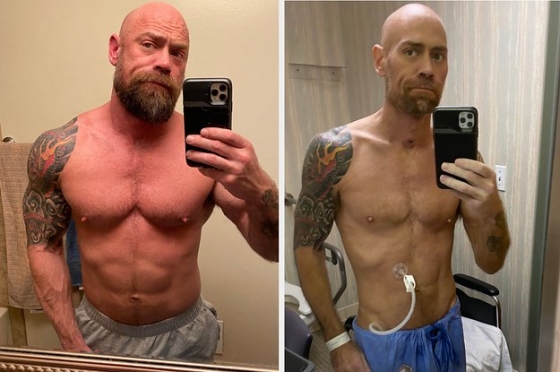
As we age, we often feel less energetic and find it harder to climb stairs. We consider this a natural part of aging, but underlying it is a silent change known as 'sarcopenia.' Muscles are not just organs for exerting strength; they are the key engine that regulates our metabolism and maintains vitality. Protecting the strength of this engine is the most powerful key to sustaining a healthy life in our century. Today, we will explore why protein intake becomes more important after middle age and what the most scientific and practical methods of protein consumption are to revitalize our muscle engine.
Why Do Muscles Decrease Faster After Middle Age?
As we age, our bodies enter a state called 'anabolic resistance.' Simply put, even if we consume the same amount of protein, we cannot build muscle as effectively as when we were younger. Our body's 'muscle synthesis factory' does not respond as sensitively as before. Particularly, a certain level of the essential amino acid 'leucine' is needed to properly activate the factory's switch, and as we age, this switch becomes less responsive.
Along with decreased activity, general insufficient food intake, chronic inflammation, and hormonal changes, the quantity and quality of muscle can decline rapidly. Therefore, after middle age, it’s important to think beyond just 'eating protein' to 'how can we reliably turn on the muscle synthesis switch?'
What to Eat, How Much, and When: Practical Design
The strategy for protein intake to protect muscles revolves around four wheels: 'total amount', 'distribution', 'quality', and 'timing'.
1. Determine the Total Daily Amount: For healthy middle-aged individuals, aim for 1.0 to 1.2g of protein per kg of body weight each day. If you weigh 70kg, you need about 70 to 84g of protein daily. This is equivalent to about 12 to 14 eggs or 300 to 360g of chicken breast.
2. Evenly Distribute Across Three Meals: Eating the total amount in just one dinner is inefficient. Our body's muscle synthesis factory uses about 25 to 30g of protein most efficiently at a time. Therefore, spreading 25 to 30g across breakfast, lunch, and dinner is the best way to maximize overall muscle synthesis for the day.
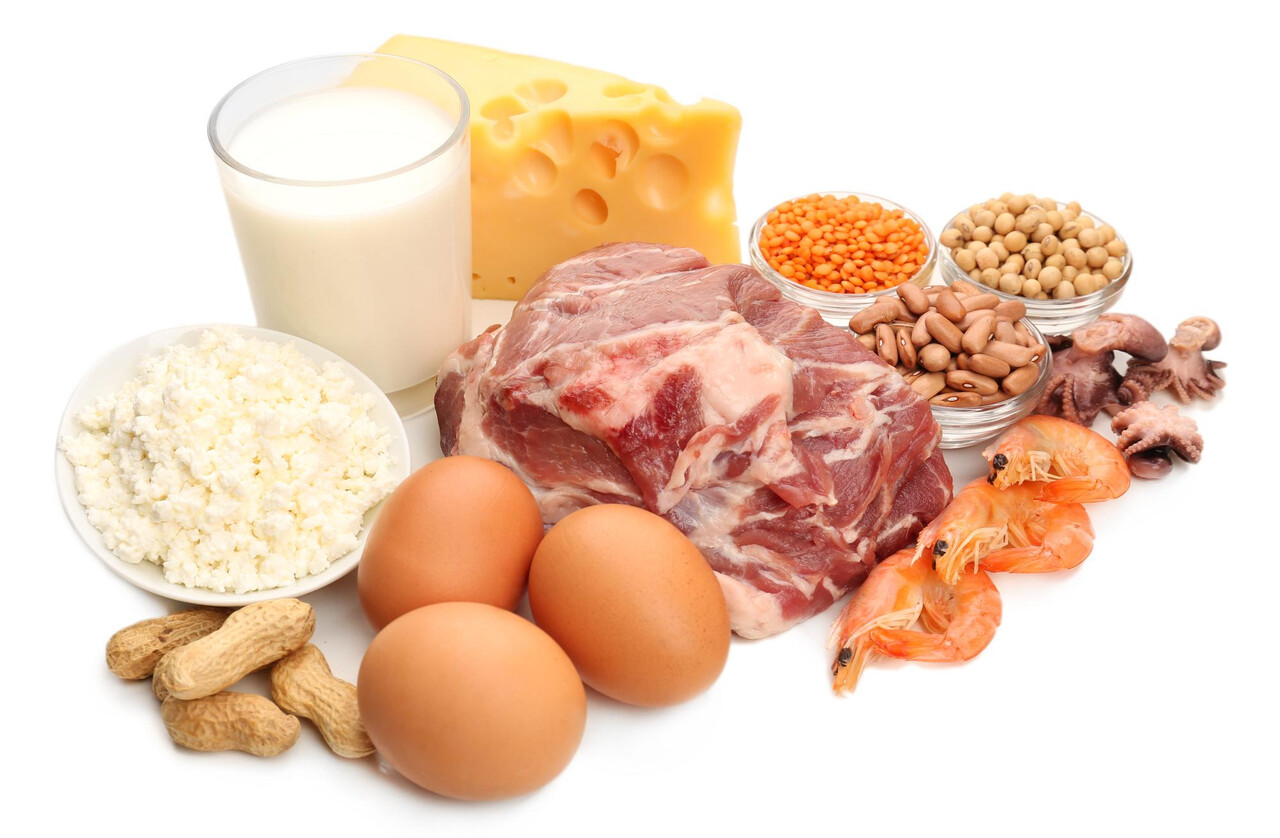
3. Choose High-Quality Protein Rich in 'Leucine': It’s beneficial to select foods rich in 'leucine', the most important amino acid for activating muscle synthesis. Examples include animal proteins like whey protein, milk, Greek yogurt, eggs, fish, and lean meats, as well as plant proteins like tofu and soybeans.
Episode: Morning Diet of Mr. Park, a Retired Teacher in His 60s
Feeling less energetic after retirement, Mr. Park decided to change his breakfast. "I used to eat simply with rice and kimchi, but I realized there was hardly any protein." He added a cup of plain Greek yogurt and two boiled eggs to his breakfast. "At first, I felt quite full, but after consistently eating it for a few months, I noticed I was less tired in the afternoon and felt more strength in my legs when climbing the hill behind my neighborhood."
In-Depth Exploration 1: Everything About the Muscle Synthesis Switch, 'Leucine Threshold'
Among the various amino acids that make up protein, why is 'leucine' particularly notable? Leucine not only serves as a building block for muscles but also acts as a 'switch' that initiates the process of muscle protein synthesis (MPS) in our body.
This switch does not turn on just anytime. It only activates when the concentration of leucine in the blood surpasses a certain level, known as 'leucine threshold'. When we are younger, this switch can be easily activated with relatively small amounts of leucine, but as we age, due to 'anabolic resistance', larger amounts of leucine are required. Research indicates that middle-aged individuals need meals containing at least 2.5 to 3.0g of leucine per meal to ensure this switch is reliably activated.
This is why the recommendation of 25 to 30g of protein per meal is made: this amount is necessary to reliably exceed the leucine threshold. For example, 25g of whey protein contains about 2.7g of leucine, while 120g of chicken breast contains about 2.5g of leucine. Structuring your meals with the mindset of 'activating the leucine switch' is the most scientific approach to prevent muscle loss.
In-Depth Exploration 2: Is Protein Intake Before Sleep Really Effective?
Recently, the topic of 'pre-sleep protein' intake has become popular among those interested in muscle recovery and growth. The night time is when our body is most actively recovering and growing, but it’s also a period of 6 to 8 hours with no protein supply.
Several studies suggest that consuming about 30 to 40g of protein just before sleeping helps maintain high blood amino acid levels during sleep, preventing muscle protein breakdown that occurs overnight and even promoting synthesis. Particularly, 'casein', which makes up 80% of milk protein, is known for its slow digestion and absorption, making it an ideal protein for gradually supplying amino acids throughout the night.
Of course, pre-sleep intake may not be suitable for everyone. Those with sensitive stomachs may find it disrupts their sleep. However, if digestion is not an issue, consuming casein or a glass of milk before bed can be a wise additional strategy to prevent muscle loss, especially if the gap between dinner and sleep is too long or if you want to maximize muscle recovery the next day.
Episode: Mr. Kim, in His 50s, Who Does Strength Training Three Times a Week
Mr. Kim, in his mid-50s, felt that his recovery after strength training was not as good as before. Following expert advice, he started consuming a fast-absorbing whey protein shake right after workouts and a slow-digesting casein protein or Greek yogurt before bed. "I definitely feel less muscle soreness the next morning and feel lighter. I realized that if you send the 'signal' of exercise, it's really important to provide the 'materials' for recovery on time."
6 Techniques to Reduce Failure (FAQ)
Q. It’s too hard to perfectly manage three meals.
Perfectionism is a no-go. If it’s difficult to meet 25 to 30g in all three meals, at least try to achieve the goal for 'breakfast' and 'post-workout meal'. These two timings are the most critical for protecting muscles.
Q. Do I really need to take protein supplements?
No, it’s best to get your protein from food. However, if your busy life makes it hard to consume enough protein through meals, or if you need quick absorption right after exercise, supplements can be a very convenient and effective 'support' option.
Author Information: The content of this article has been structured based on the PROT-AGE research group, official recommendations from the European Society of Clinical Nutrition and Metabolism (ESPEN), and recent academic literature on leucine thresholds, protein distribution, and pre-sleep protein intake to provide scientific and practical methods for preventing muscle loss after middle age.


Comments
Post a Comment