Beginner in Game Development, Which Engine Should I Use? Comparison of Unity vs Unreal vs Godot (Focusing on Free Engines) Choosing a Game Engine: Know This First: 5 Key Q&A Q1. What is a Game Engine? Is it necessary to use one? A. Think of a game engine as a set of development tools that bundles essential functions required for making games, similar to a car engine. It includes features like rendering graphics on-screen ( Rendering ), physics effects for characters colliding with walls or jumping ( Physics Engine ), and playing background music or sound effects ( Audio System ). While it's possible to create a game from scratch without an engine, it requires an immense amount of time and effort, which is why most developers today use game engines, especially beginners! Q2. I want to start game development; are there any good free engines available? A. Yes,...
What are the causes of high blood pressure? Summary of curiosities
All About Hypertension: From Causes to Young Adults' Incidence and Possibility of Discontinuing Medication
Hypertension: Important Facts to Know - 5 Key Q&A
Q1. What causes hypertension?
Most cases (over 90%) are 'essential hypertension', which is difficult to pinpoint a clear cause. A combination of genetic factors, high salt intake, obesity, stress, and lack of sleep leads to narrowed blood vessels and increased blood volume.
Q2. I've heard that young people are also getting hypertension these days?
Yes, there is an increasing number of young hypertension patients under 40. Hypertension in younger individuals is more likely to be 'secondary hypertension' caused by other diseases such as kidney disorders or hormonal imbalances, so a more proactive evaluation of causes is important.
Q3. Are there specific symptoms of hypertension?
No, most people experience no symptoms. That's why it's called the 'silent killer'. Just because there are no symptoms doesn't mean it's harmless; it quietly damages our blood vessels. However, when blood pressure exceeds 180/110 mmHg, symptoms like headaches, dizziness, and chest pain may occur, which can be an emergency situation.
Q4. What should my target blood pressure be?
Current international guidelines generally recommend a target of below 130/80 mmHg. Of course, the target may vary slightly depending on the patient's age and other health conditions.
Q5. If I start taking hypertension medication, will I have to take it for life?
Not necessarily. If you lose a significant amount of weight or make drastic lifestyle changes, you might try to reduce or stop the medication under a doctor's supervision. However, it's common for blood pressure to rise again, so even if you stop taking medication, it's crucial to monitor your blood pressure regularly.
Hearing that your blood pressure is a bit high is a common story during health check-ups. Many people brush it off with thoughts like, 'Everyone gets that as they age' or 'Maybe I just had too much salt.' However, hypertension is more frightening because it is a 'silent killer' with no symptoms. It quietly and steadily attacks our blood vessels, potentially leading to fatal outcomes such as stroke, myocardial infarction, or kidney failure. Today, we will explore the true nature of hypertension, which threatens our bodies in silence, and learn the smartest strategies to combat this invisible enemy.
Diagnosis and Management: What Should We Do?
Managing hypertension starts with accurate diagnosis. Relying on just one or two blood pressure readings at the hospital may not be sufficient.
Accurate Blood Pressure Measurement: Nowadays, measuring blood pressure at home is very important. By taking multiple readings in the morning and evening while relaxed and averaging them, you can know your 'true' blood pressure, which is often much more accurate than readings taken at the hospital. Using the correct cuff size is also crucial.
Lifestyle Changes: This is the foundation and most critical part of all hypertension treatments. Reducing salt intake to less than 5g per day, following a diet rich in fruits and vegetables, and exercising consistently for over 150 minutes a week can significantly lower blood pressure. Losing 5-10% of body weight is also very effective.
Medication Treatment: When blood pressure cannot be controlled through lifestyle changes alone, medication treatment begins. Recently, using a 'single-pill combination (SPC)' that combines two or three components in one tablet has become a global trend. This approach helps reduce the inconvenience of taking multiple pills daily, facilitating consistent treatment.
Episode: Lee Young-hee's Blood Pressure Management Journey
Lee Young-hee, a worker in her 50s, developed a habit of measuring her blood pressure every morning after being diagnosed with hypertension. "At first, I wanted to try managing it just through diet because I disliked taking medication. But as I recorded my home blood pressure daily, I noticed that during weeks with frequent company dinners, my blood pressure definitely rose." After confirming the connection between her lifestyle and blood pressure, she actively adjusted her diet and consistently took the medication prescribed by her doctor.
Why is asymptomatic hypertension considered so dangerous?
In-Depth Exploration 1: The Silent Killer - How Hypertension Damages Our Bodies
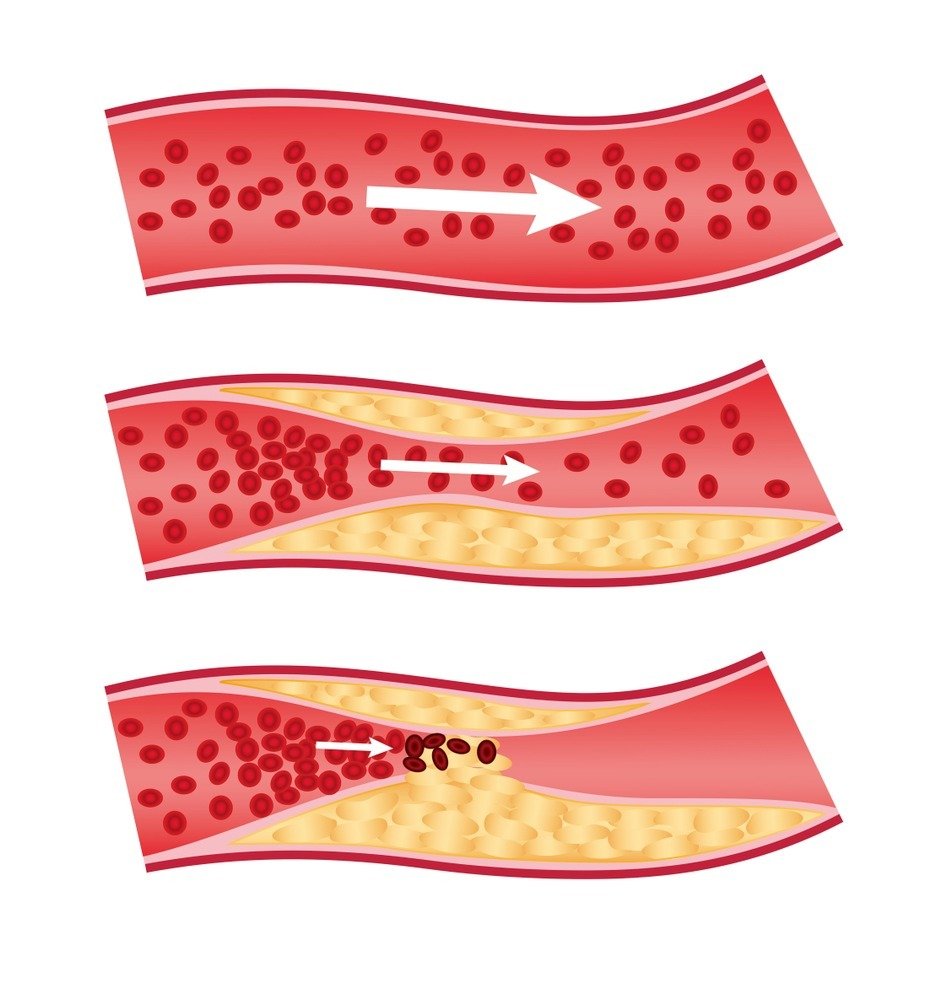
The real fear of hypertension lies in its ability to gradually and certainly damage our blood vessels, which are the most critical infrastructure of our bodies, even when there are no immediate symptoms. It's similar to how a water pipe becomes worn and prone to bursting under constant high pressure.
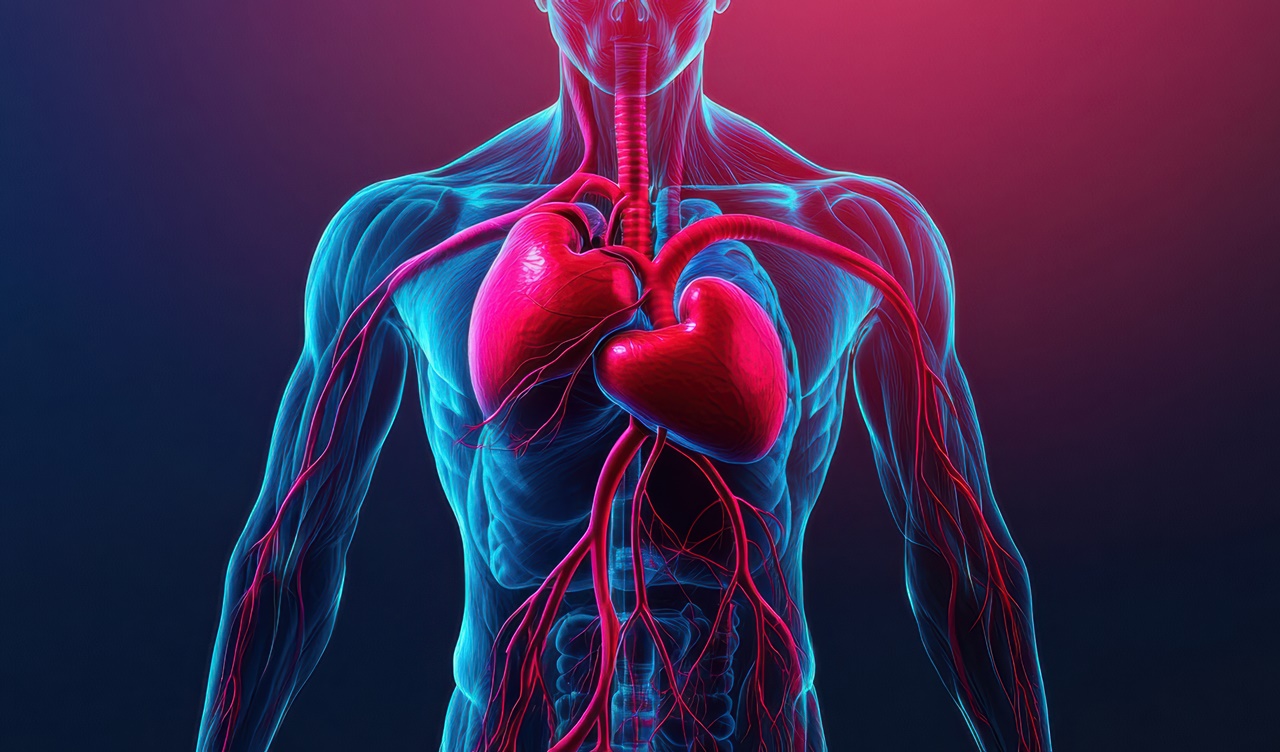
When high pressure persists, the inner wall of the blood vessels (endothelial cells) becomes stressed and prone to injury. When debris like cholesterol accumulates in these wounds, it leads to 'atherosclerosis', hardening and narrowing the blood vessels. If this occurs in the brain's blood vessels, it can cause a hemorrhagic stroke; if it blocks the heart's blood vessels, it can lead to myocardial infarction. Additionally, the kidneys, which serve as our body's filtration system, consist of numerous tiny blood vessels, and hypertension can damage these vessels, impairing kidney function and potentially leading to chronic kidney failure. The heart, in response to high pressure, works harder and gradually thickens (left ventricular hypertrophy), ultimately leading to heart failure.
In-Depth Exploration 2: Young Hypertension - Why Is It More Dangerous and How Should We Approach It?
Thinking 'I'm young, so it's okay' is the most dangerous mindset when facing hypertension. Early-onset hypertension diagnosed under 40 has several distinct characteristics.
First, you must confirm the possibility of 'secondary hypertension'. In older individuals, hypertension is mostly essential with no specific cause, but if a young person has high blood pressure, there is a relatively higher chance that treatable specific causes, such as kidney disease or hormonal imbalances (e.g., primary aldosteronism), or sleep apnea are hidden. If these causes are identified and addressed, blood pressure can return to normal.
Second, the cumulative risk over a lifetime is much greater. If hypertension diagnosed in your 30s is ignored, it means your blood vessels will endure high pressure for 30 years longer than someone diagnosed in their 60s. This exponentially increases the risk of heart disease and stroke later on. Therefore, younger individuals with hypertension need to be more proactive in improving their lifestyle and managing their condition rather than postponing it to 'later'.
Episode: Park Jun-hyung's Diagnosis of Secondary Hypertension
Park Jun-hyung, a developer in his early 30s, had a very high blood pressure reading of 160/100 mmHg during a company check-up. The doctor, suspicious of his young age and severe snoring, recommended a sleep study, and the results diagnosed him with 'severe sleep apnea'. His blood pressure had risen due to excessive activation of his sympathetic nervous system from repeated airway blockages while sleeping. After starting CPAP therapy, he experienced a remarkable return to normal blood pressure levels within just three months without needing medication.
Questions About Hypertension Medication (FAQ)
Q. There are so many types of hypertension medications; which one is the best?
It's not about which medication is the best, but rather which one is suitable for you. Doctors consider the patient's age, other diseases (like diabetes or kidney disease), and potential side effects to choose the optimal medication. For example, 'ARB/ACE inhibitors' are prioritized for patients with diabetes or proteinuria, while 'beta-blockers' might be considered for specific angina patients.
Q. Is it really dangerous to stop taking blood pressure medication abruptly?
Yes, it can be very dangerous. Stopping medication suddenly can cause a 'rebound effect', where blood pressure spikes much higher than before. If you want to reduce or stop your medication, you must consult with your doctor to create a systematic plan and carefully monitor your home blood pressure to do so safely.
Author Information: The content of this article has been compiled based on the latest guidelines from the European Society of Cardiology (ESC), the American College of Cardiology/American Heart Association (ACC/AHA), and the World Health Organization (WHO), along with research published in major journals such as Nature and The Lancet, providing key information on hypertension from causes to management and medication treatment based on objective evidence.


Comments
Post a Comment